
What Are the Most Important Newborn Tests After Delivery?
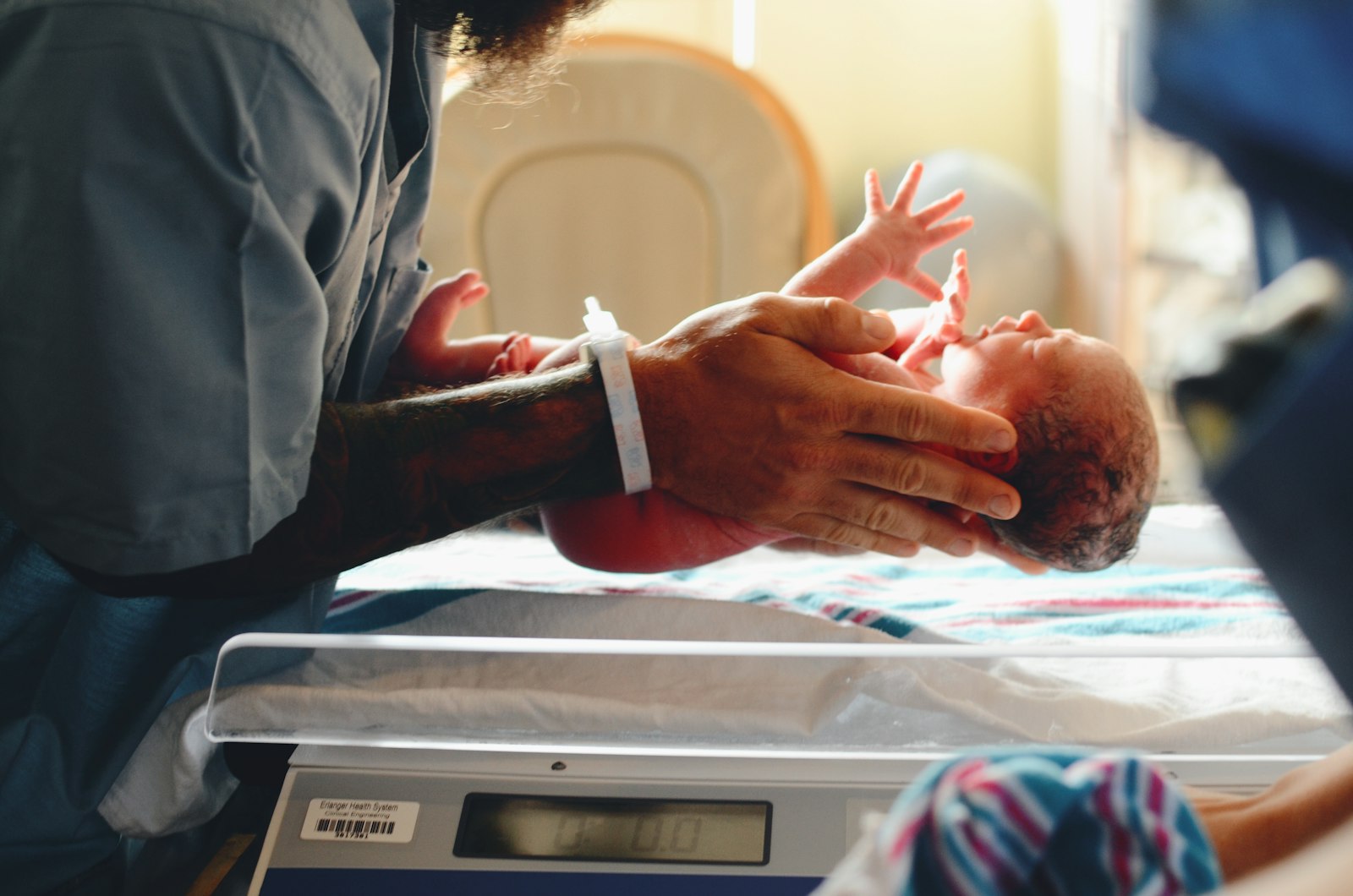
During the first hours and days after delivery, your baby will receive several examinations and screenings. These tests help the hospital’s pediatric team evaluate your baby’s transition after birth and look for certain conditions that may not cause immediate symptoms.
Newborn screening does not diagnose every possible condition. It identifies babies who may benefit from additional testing, early treatment or closer follow-up. The exact screening process can vary by state, hospital and your baby’s individual needs.
The Newborn Physical Examination
A pediatrician or qualified newborn care professional will perform a physical examination after delivery. The examination may include your baby’s heart and breathing, muscle tone, skin color, head, face, mouth, abdomen, hips, spine, reflexes and general responsiveness.
Your baby will also be weighed and measured. Weight, length and head circumference create a baseline that can be compared with future pediatric visits. Weight changes during the first days are common, so your pediatrician will continue monitoring feeding and growth after discharge.
Blood Spot or Heel-Stick Screening
Blood spot screening is sometimes called the heel-stick test. A healthcare professional collects a few drops of blood from your baby’s heel and places them on a special screening card.
The sample is sent to a state laboratory to look for signs of uncommon but serious conditions. These may include metabolic, hormonal, blood, immune and genetic disorders. Many babies with these conditions appear healthy at birth, which is why screening is important even when the newborn examination is normal.
An out-of-range screening result does not necessarily mean that your baby has a condition. It means additional testing may be needed. Ask your pediatrician when results should be available and how your family will be contacted.
Newborn Hearing Screening
Hearing plays an important role in communication and language development. A newborn hearing screening can usually be completed while your baby is resting or sleeping.
Common screening methods measure how the inner ear or hearing pathways respond to sound. The process is quick and does not hurt. A baby may need repeat testing because of movement, fluid in the ear or background noise. Not passing the first screening does not automatically mean that permanent hearing loss is present.
Pulse Oximetry for Newborn Heart Screening
Pulse oximetry measures the amount of oxygen in your baby’s blood. A small sensor is placed on the baby’s hand or wrist and foot.
This screening can help identify certain critical congenital heart defects before a baby leaves the hospital. The test is painless and usually takes only a few minutes. If the oxygen reading is outside the expected range, the care team may repeat the screening or recommend additional evaluation.
Pulse oximetry does not identify every heart condition and does not replace the newborn physical examination.
Bilirubin and Jaundice Evaluation
Many newborns develop some degree of jaundice, which causes yellowing of the skin or eyes. Jaundice occurs when bilirubin builds up in the blood.
Bilirubin may be measured using a device placed against the skin or through a blood test. The result is interpreted based on the baby’s age and individual risk factors. Most newborn jaundice is mild, but higher levels may require closer monitoring or treatment.
Additional Testing and Follow-Up
Not every newborn needs the same additional testing. Blood sugar checks, infection testing, imaging or other evaluations may be recommended when a baby has symptoms or specific risk factors.
- Which screenings were completed
- Whether any tests need to be repeated
- When results will be available
- Who will receive the results
- When your baby should see a pediatrician
WHMC provides prenatal education and delivery preparation throughout pregnancy. Explore WHMC obstetric care and prenatal birthing classes as you prepare for your baby’s arrival.
To schedule prenatal care in West Bloomfield, contact WHMC or call (248) 932-9223.