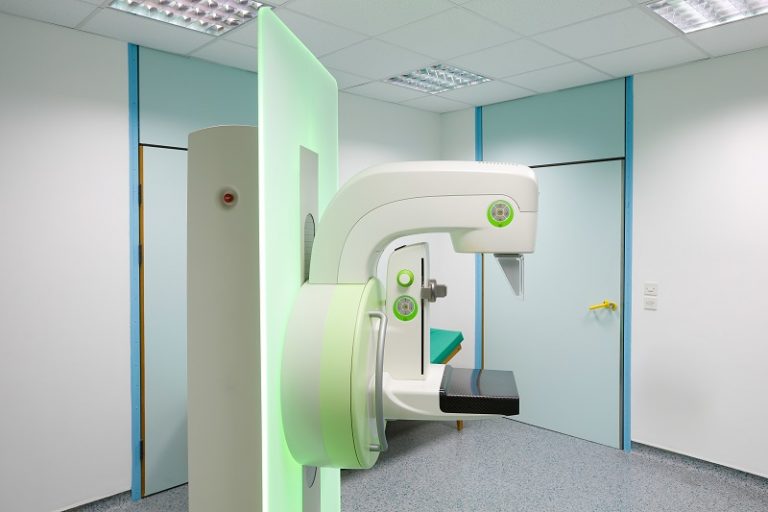
Why You Should Not Delay Your Annual Mammogram

A Missed Mammogram Can Become a Longer Gap
Busy schedules, caregiving, anxiety, discomfort and insurance questions can make it easy to postpone a mammogram.
One delayed appointment may not feel significant, but it can turn into a much longer break from screening. If you are due, scheduling now is a practical way to restore your routine.
Mammograms can identify breast changes before they can be felt. Regular screening also gives radiologists prior images for comparison.
A new area, subtle change or stable finding is often easier to understand when current and previous exams are available together.
Screening Is Intended to Find Changes Before Symptoms Appear
A screening mammogram is performed when there is no new breast symptom. It is not a guarantee that cancer is absent, but it remains the primary screening test for most women.
Finding certain cancers at an earlier stage may expand treatment options and improve outcomes.
Do not wait for a lump before discussing screening. At the same time, do not wait for a routine mammogram if you already have a concern.
A new lump, bloody or clear nipple discharge, nipple inversion, skin dimpling, redness, swelling or a noticeable change in breast shape should be evaluated promptly.
Know Whether You Are Due
For average-risk individuals, major guidelines support beginning mammography at age 40.
Recommendations differ on whether screening should occur every year or every two years, which is why your plan should be confirmed with your clinician. People with a higher-than-average risk may need earlier or more intensive screening.
Review the date of your last mammogram and any follow-up recommendation in the report.
If you were advised to return in six months, that is different from routine annual screening and should not be postponed without speaking with the ordering clinician.
Common Reasons Women Postpone Screening
Some women worry about pain or a callback. Compression is brief, and the technologist can work with you on positioning.
A callback means the radiologist needs more information. It does not automatically mean cancer.
Others are unsure about cost. Contact your insurer and the imaging office to confirm coverage and any expected patient responsibility.
If you are concerned because it has been several years, remember that returning now is more useful than feeling embarrassed about the gap.
Tell the office when and where your last exam was performed so previous images can be requested when available.
Make Your Mammogram Easier to Complete
Choose an appointment time you can realistically keep, add it to your calendar and gather prior imaging information in advance.
On the day of the exam, avoid deodorant, powder, lotion and perfume near the breasts and underarms. Wear a two-piece outfit and tell the technologist about implants, surgery, pregnancy, breastfeeding or breast symptoms.
Women’s Health and Menopause Center offers 3D mammography and MammoScreen AI support in West Bloomfield.
If you are overdue, call (248) 932-9223 or request an appointment online today.
How to Restart Screening After a Long Gap
If it has been several years since your last mammogram, begin by contacting your OB-GYN or the screening facility.
Be ready to share the approximate date and location of the previous exam, even if you no longer have the report. The facility may be able to request the earlier images.
If they are unavailable, the current study can still establish a new comparison point.
Do not wait until Breast Cancer Awareness Month if you are already due. Choose the earliest practical appointment, confirm whether an order is required and address insurance questions in advance.
If fear has been the main barrier, tell the team. They can explain the process, expected timing and how results are communicated.
The important decision is not whether you followed the past schedule perfectly. It is whether you take the next appropriate step now.
Use October as a Reminder, Not a Deadline
Breast Cancer Awareness Month is a helpful prompt to check your screening status, but mammograms should be scheduled whenever they are due.
Appointment availability may tighten during October, so book early or choose another month that fits your recommended interval.
Consistency matters more than the season. Once the exam is scheduled, plan how you will receive the results and complete any requested follow-up.