Understanding Your Breast Cancer Risk and Screening Needs

Breast cancer risk is not determined by one habit, symptom or family member. It is influenced by a combination of factors, including age, genetics, breast density, personal medical history and lifestyle.
Having one or more risk factors does not mean you will develop breast cancer. Some people diagnosed with breast cancer have few known risk factors, while many people with several risk factors never develop the disease.
Understanding your history can help you and your healthcare provider create a breast screening plan that is appropriate for you.
Breast Cancer Risk Increases With Age
Age is one of the most significant breast cancer risk factors. Although breast cancer can affect younger women, most breast cancers are diagnosed in women age 50 or older.
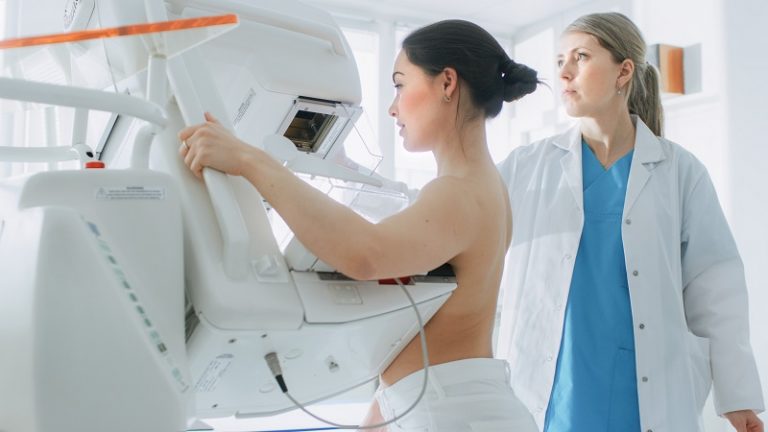
Current screening guidance from the United States Preventive Services Task Force recommends mammography every two years for average-risk women between ages 40 and 74. Other medical organizations may recommend different screening schedules.
Your provider may recommend beginning screening earlier, receiving mammograms more frequently or adding another form of imaging based on your individual risk.
Women’s Health and Menopause Center provides 3D mammography in West Bloomfield for patient convenience and comprehensive breast imaging.
Know Your Family History
A family history of breast or ovarian cancer may increase your risk, especially when cancer affected a close relative. This includes your mother, sister, daughter or multiple relatives on either side of your family.
Tell your provider if a family member:
- Was diagnosed with breast cancer before age 50
- Had cancer in both breasts
- Had both breast and ovarian cancer
- Was diagnosed with male breast cancer
- Had pancreatic or aggressive prostate cancer
- Was found to have a BRCA1, BRCA2 or another inherited genetic change
Your father’s family history is just as important as your mother’s. Try to collect information from both sides of the family, including the type of cancer and the relative’s age at diagnosis.
A strong family history does not automatically mean that you have inherited a genetic change. Your provider can help determine whether genetic counseling or testing should be considered.
Personal Health History Can Affect Risk
Your own medical history may influence your recommended screening plan. Important factors can include a previous breast cancer diagnosis, certain noncancerous breast conditions, atypical cells found during a biopsy or radiation treatment to the chest at a young age.
Tell your provider about previous mammograms, breast ultrasounds, biopsies and surgeries. If you are changing medical practices, bringing copies of previous imaging reports can help your new care team understand your history.
Reproductive and hormonal factors may also be relevant. Your provider may ask when your menstrual periods began, your age at menopause, whether you have been pregnant and whether you use hormonal medications.
These questions are not intended to place blame on personal decisions. They provide useful clinical information for assessing your overall risk.
Dense Breast Tissue Is Another Risk Factor
Dense breast tissue is common. It is determined through mammography and cannot be identified based on breast size or firmness.
Dense tissue can increase breast cancer risk and make some abnormalities more difficult to see on a mammogram. However, patients with dense breasts still need routine mammography.
Some patients may benefit from discussing supplemental imaging. Women’s Health and Menopause Center offers Automated Breast Ultrasound for appropriate patients with dense breast tissue.
ABUS is not automatically necessary for everyone with dense breasts. Your provider can help you consider your density, family history, previous findings and other factors before recommending additional imaging.
Lifestyle Factors and Breast Health
Some breast cancer risk factors cannot be changed, including age and inherited genetic changes. Other factors may be influenced by lifestyle.
Regular physical activity, maintaining a healthy weight and limiting alcohol may help reduce breast cancer risk. If you use hormonal birth control or menopausal hormone therapy, discuss the benefits and potential risks with your healthcare provider.
These medications may be appropriate for many patients. Decisions about hormone use should be individualized rather than based on fear or incomplete information.
No lifestyle choice can guarantee that someone will avoid breast cancer. Healthy habits should support your overall well-being, while appropriate screening remains an important part of breast health care.
Questions to Ask Your Healthcare Provider
Consider asking these questions during your next visit:
- What factors influence my breast cancer risk?
- When should I begin receiving mammograms?
- How frequently should I be screened?
- Do I have dense breast tissue?
- Should I consider ABUS or another imaging test?
- Does my family history suggest genetic counseling?
- What breast changes should I report immediately?
- Are my current medications relevant to my risk?
Your breast screening plan may change as you age or as new information becomes available. Review it regularly with your provider.
Schedule Your Mammogram in West Bloomfield
Breast Cancer Awareness Month is an excellent time to collect your family history, review your last mammogram date and ask whether your screening plan still fits your needs.
Women’s Health and Menopause Center offers breast health services and 3D mammography at our West Bloomfield office. If you are due for screening or have questions about your breast cancer risk, call (248) 932-9223 or request an appointment online.