Why Is It Important to Get an Annual Pap Smear?
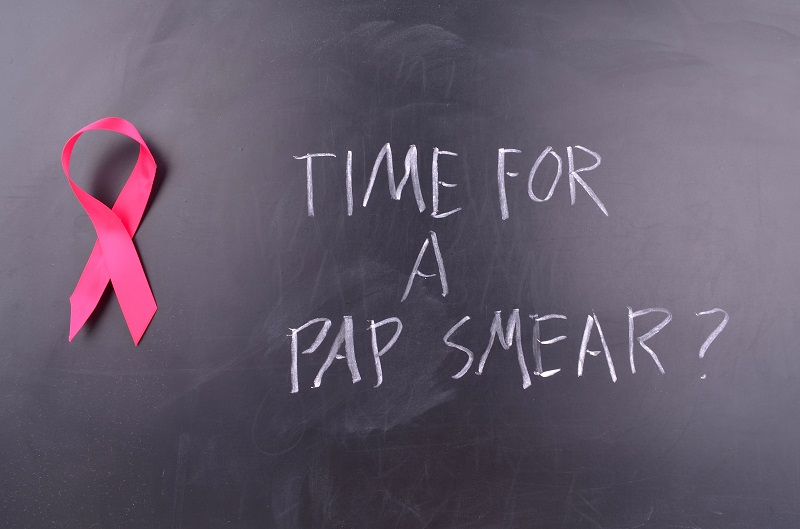
Women's Health and Menopause Center Annual Pap Smear

Preventative care is a good way to stay healthy. Once a problem appears, it may be harder to treat. That’s why it’s especially important for women to undergo a regular cervical cancer screening. The American Cancer Society estimates that over 13,000 cases of invasive cervical cancer will be diagnosed in the United States in 2018. Around 4,170 women will die from the disease this year.

Early Cancer Detection Saves Lives

There was a time when cervical cancer ranked as one of the most common causes of cancer-related death among American women. As more women began having regular Pap tests performed, that number dropped significantly. That’s because screening can detect signs before it becomes cancer, during a period when it is easy to treat.

Am I At Risk for Cervical Cancer?

All adult women should be aware of the dangers of cervical cancer. It is rarer in women who are under 20 years of age. Those in the 35 to 44 age group are at a higher risk. Some women do not realize that they can develop cervical cancer as they age. Over 15% of cases are found in women who are older than 65.

How Often Should I Have a Pap Smear?

All women should begin having Pap smears at age 21. They should be done approximately every three years until age 30. After that, if a woman has a Pap smear and HPV test performed, she can wait five years between screenings. If not, then she should return every three years. Women who have an abnormal Pap smear will need to have them more frequently. Contact your Women’s Health and Menopause Center OBGYN to schedule a screening or to discuss Pap smear frequency for your individual needs.


 

Similar Posts

  • Urinary Tract Infections

    A UTI (Urinary Tract Infection) is an infection that can show up in different parts of your urinary tract, like your kidneys, bladder, or urethra. UTIs can happen as a result of sex, hygiene habits, or a multitude of other reasons- it isn’t always clear why they occur. These infections are common, especially among women….

  • Happy New Year!

    Happy New Year from Women’s Health and Menopause Center! In order to provide thorough care to each of our patients a number of changes have taken place in 2017, each with the intention of reducing wait times and improving patient care. Your continued support this year has shaped our practice for good and we appreciate…

  • Addressing Hormonal and Relational Shifts Openly

    Introduction Hormonal changes affect more than just your body—they impact your relationships, communication, and emotional well-being. Whether you’re in your 30s managing PMS or navigating menopause in your 50s, it’s time we talk openly about how hormones shape our interactions—and how to support both yourself and your relationships. Hormonal Changes and Emotional Health Shifting levels…

  • Gynecological Health

    Gynecological health entails maintaining healthy reproductive organs which includes regularly seeing a gynecologist for check-ups. It is important for adolescents to begin seeing a gynecologist when they first get their period, not necessarily for an exam but so they can understand the significance of having a doctor you can trust, and to see the value…

  • Signs of Preterm Labor You Should Never Ignore

    Understanding Preterm Labor Preterm labor occurs when regular contractions begin before 37 weeks of pregnancy and cause changes to the cervix. Early recognition is critical. The sooner preterm labor is identified, the more options your provider may have to slow or stop it. While some discomfort is normal during pregnancy, certain symptoms should never be…