C-Section Risks and Benefits: Deciding How to Deliver Your Baby
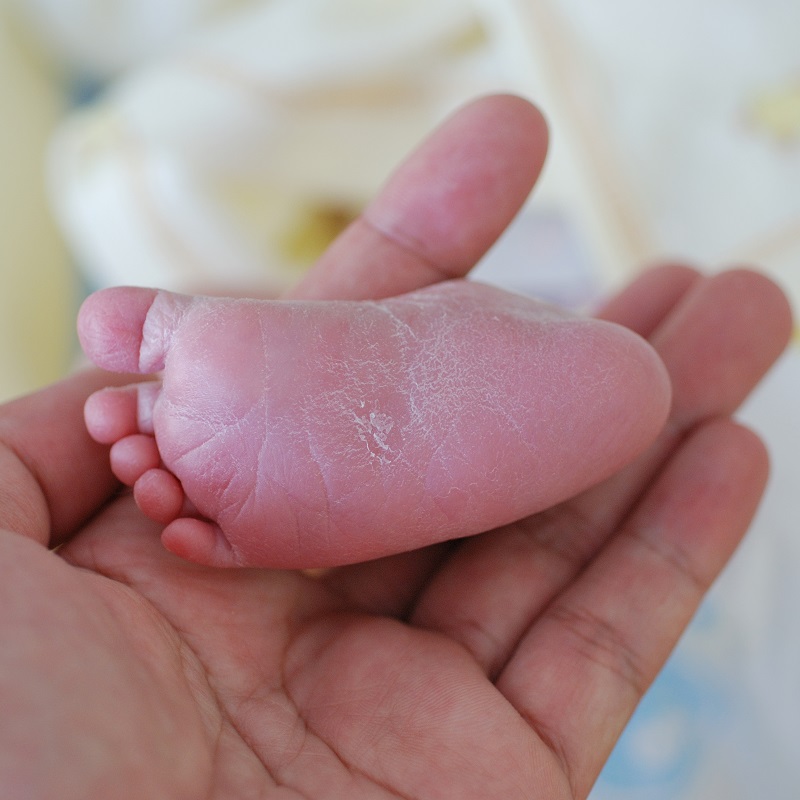
A caesarean section, or C-section, is a surgery that is used to deliver babies. The procedure can be done under general anesthesia or with a spinal block. An incision is made through the lower abdomen followed by a second incision to open the uterus. The baby is delivered, and stitches are used to close up both incisions.
Do I Need a C-Section?
Women who are at a higher risk for complications with a vaginal birth may be advised to have a C-section instead. This may be done if the mother has high blood pressure, is having twins, or experiences breech birth, obstructed labor, or complications with the umbilical cord or placenta.
C-Section Risks
Women who undergo a C-section will take longer to recover. There are other potential risks like surgical injury. This can happen if the baby is accidentally nicked when the incisions are made. Babies born by C-section have a higher risk of developing transient tachypnea. This respiratory problem includes abnormally fast breathing and can occur within a few days of birth. Other potential risks include:
- Increased bleeding
- Wound infection
- Blood clots
- Anesthesia reactions
- Uterus lining inflammation
- Increased risk for subsequent pregnancies
C-Section Benefits
For women who have medical conditions or other concerns, a C-section may offer a safer alternative to vaginal birth. You also will not experience the pain of contractions and will have no tearing in the vagina or back passage. Contact your Women’s Health and Menopause Center OB/GYN to find out if a C-section is the best option for you.