What To Expect From A Home Pregnancy Test
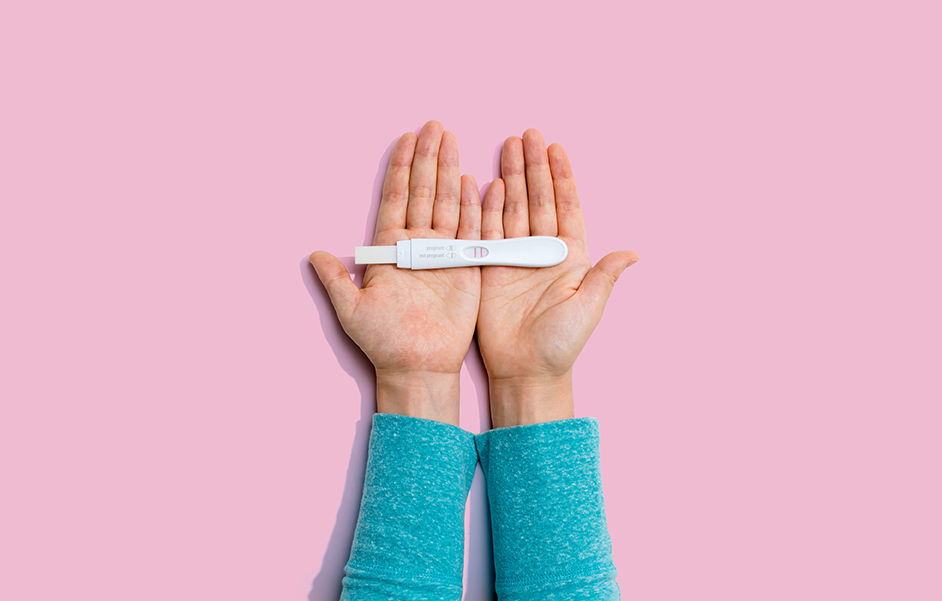
A home pregnancy test is a quick and efficient way to determine if you are pregnant. They have a high accuracy rate (about 97%) and are available from most drugstores. If you are unsure how a pregnancy test works, read on!
How does a home test work?
When a woman is pregnant, she starts developing a hormone called HCG. These tests measure the amount of this hormone in your urine. Home pregnancy tests vary in sensitivity, so depending on the one you have purchased, some may detect pregnancy earlier than others. If you are unsure about this, read the instruction or back of the packs, and they should be able to tell you how sensitive that particular home test is.
When to take a pregnancy test
There is no one answer as to when to take a pregnancy test. Again, this depends on the particular brand of pregnancy test you purchase. Some tests state they can detect pregnancy as early as six days after ovulation, but the most accurate tests detect pregnancy about 14 days after ovulation. For most women, this falls mid-way through their ovulation cycle. Even if your menstrual cycle is very regular, it is safest to wait at least a week after your period was last due before taking a pregnancy test to ensure the most accuracy.
How accurate are home pregnancy tests?
Research suggests that pregnancy tests are about 97% accurate. Although false positives can occur, this is very rare. If you follow the instructions, these tests should give you a reliable result. Taking a test after your last period is due is best for the most reliable results. Negative tests, which later turn out to be positive, are generally not due to faulty or unreliable products but because the test was probably taken too early. Of course, the most accurate way to determine whether you are pregnant is to see a doctor.
Should I take a home pregnancy test?
If your period is late or if you are suffering from possible morning sickness and sore breasts, more than likely, you are pregnant. Before taking the next big step in seeing a doctor, taking a home test is a great alternative. If your period is late, you are already post-ovulation, which is the best time to take a test.
Remember that while the pregnancy test is very reliable, it is customary to see a doctor confirm the results and wait the three-month safety period before announcing the news.