Reasons for Having a Hysterectomy

Womens Health and Menopause Center Reasons for Having a Hysterectomy
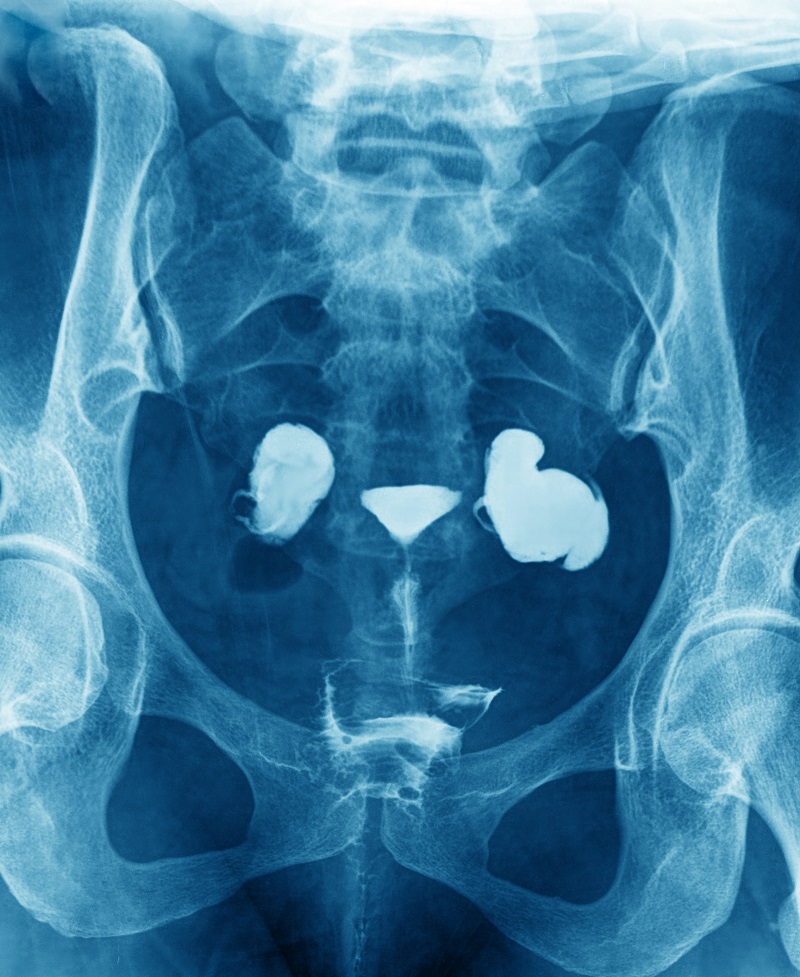
A hysterectomy is a surgical procedure that involves removing the uterus. There are three primary types of hysterectomy that your doctor may recommend based on your medical needs. They include:

  • Total Hysterectomy – This procedure includes removal of the uterus and cervix.
  • Subtotal Hysterectomy – This procedure includes removal of the uterus only, leaving the cervix intact.
  • Radical Hysterectomy – This procedure involves removal of the uterus, cervix, ovaries, and support structures. Lymph nodes may also be removed.

Why Do I Need a Hysterectomy?

The idea of having a hysterectomy may sound frightening. The U.S. Centers for Disease Control and Prevention estimate that around 600,000 women in America have hysterectomies each year. This procedure is one of the most common surgeries women undergo in the country. It is done for multiple reasons, including:

  • Prolapsed uterus
  • Cancer found in the cervix, ovaries, or womb
  • Heavy periods that are often caused by fibroids
  • Pelvic pain due to fibroids, adenomyosis, endometriosis, or pelvic inflammatory disease (PID)

Medically Necessary vs. Elective Hysterectomies

Out of those 600,000 women quoted by the CDC, an estimated 20% to 30% or more have a medically unnecessary hysterectomy. Women with endometrium issues like polyps, fibroids, and heavy bleeding may choose to have the surgery to relieve discomfort.

A prolapsed uterus happens when the pelvic organs descend due to weakened ligaments or muscles. This can lead to problems with intercourse, increased discharge, constipation, cosmetic issues, and discomfort. Women can choose to have a uterine suspension or a hysterectomy to correct the problem.

In cases involving cancer, a hysterectomy may be deemed medically necessary if the patient has progressed to an advanced stage. The procedure can be used to treat cervical, ovarian, uterine, and fallopian tube cancer.

Your OB/GYN can provide more insight into whether a hysterectomy is the best option for you. Contact your gynecologist at Women’s Health and Menopause Center today to make an appointment.

#WomensHealthandMenopauseCenter #Hysterectomy #OBGYN #WomensWellness
Similar Posts

  • Am I Starting Perimenopause?

    Perimenopause usually begins in your 40’s but can happen earlier or later. Every woman’s experience is different. Common symptoms are:  irregular periods, hot flashes, lower sex drive, breast tenderness, fatigue, and vaginal dryness. If you are experiencing any of these symptoms, please let your Women’s Health gynecologist know at your appointment. Click here for additional…

  • Tips for Managing Stress and Anxiety during Pregnancy

    Pregnancy is an extraordinary journey filled with anticipation and joy but can also be a time of heightened emotions and stress. It is essential for expectant mothers to prioritize their mental and emotional well-being during this transformative phase. Managing stress and anxiety during pregnancy benefits the mother’s health and contributes to the baby’s healthy development….

  • Supporting Mothers Beyond Birth

    The postpartum period is a crucial time for both new mothers and their babies. While much attention is often given to the newborn, it’s equally important to support the mother’s recovery and well-being. Innovations in postpartum care are focusing on comprehensive support that addresses physical, emotional, and psychological needs, ensuring a smoother transition into motherhood….

  • Pregnancy During the Pandemic

    It is normal during the coronavirus pandemic for everyone including expectant mothers and their families to worry about themselves and their baby’s health. Doctors and scientists are continuing to gather information on how COVID-19 spreads and affects pregnant mothers and the fetus. More is learned every day as exposure and cases have increased and time…

  • Perimenopause

    As you progress towards menopause, the hormones estrogen and progesterone no longer work in sync, creating an imbalance. Perimenopause effects women differently. Some experience vaginal dryness and a lower libido, others have hot flashes, and still others have very little symptoms. Eating healthy, exercise and proper sleep can all help. Menstrual irregularity is normal during…