Menopause Symptoms You Should Never Ignore

Menopause Symptoms You Should Never Ignore
Menopause is a normal stage of life, but that does not mean every symptom should be brushed off as “just part of aging.” While many women expect hot flashes and mood changes, certain symptoms may point to health concerns that deserve medical attention.
Knowing what is common and what should be evaluated can help you protect your health and feel more confident about the changes happening in your body.
Why Some Menopause Symptoms Need Medical Attention
Hormonal changes during menopause can affect the reproductive tract, urinary system, sleep patterns, and overall comfort. While some symptoms are expected, others may be more serious or significantly impact your quality of life.
If a symptom is painful, disruptive, or worsening, it is worth discussing with your provider. Early evaluation can rule out serious conditions and guide you toward the right treatment.
Pelvic Pain After Menopause
Pelvic pain after menopause should not be ignored. Once you have finished the transition, cramping and ongoing discomfort are no longer linked to a menstrual cycle.
Pelvic pain may be related to:
- Fibroids or endometriosis
- Gastrointestinal issues
- Other gynecologic concerns
If pain is persistent or paired with bloating, bleeding, or fatigue, it is especially important to schedule an evaluation.
Pain During Intercourse
Painful intercourse is a common but underreported symptom. Lower estrogen levels can lead to thinner, drier, and more fragile vaginal tissue. This often results in burning or irritation during intimacy.
This symptom is treatable. Options like vaginal moisturizers, lubricants, and prescription therapies can restore tissue health. No woman should feel like she simply has to live with pain.
Hot Flashes and Night Sweats That Disrupt Daily Life
While well-known, hot flashes and night sweats shouldn’t be ignored if they interfere with sleep, focus, or emotional well-being. Frequent sleep disruption can affect your mood and energy. If these symptoms are affecting your quality of life, talk with your provider about relief strategies.
Bleeding After Menopause
Postmenopausal bleeding is one of the most important symptoms to evaluate. Even light spotting after menopause should be taken seriously. While there are benign causes, it can also be linked to conditions requiring prompt medical attention. The sooner it is evaluated, the sooner you can receive appropriate care.
Urinary Changes and Vaginal Irritation
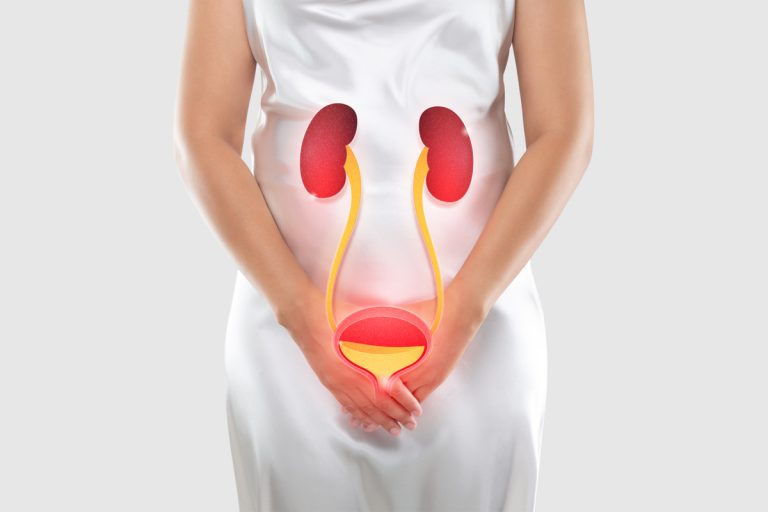
Menopause can affect bladder control and vaginal comfort, leading to:
- Urinary leakage
- Frequent urinary tract infections (UTIs)
- Vaginal burning, itching, or irritation
These symptoms are common, but they are not something you need to accept. Treatment can significantly improve your daily confidence.
When to Talk to Your Provider
You should schedule an appointment if you experience any of the following:
- Bleeding after menopause (any amount)
- Persistent pelvic pain
- Pain during intercourse
- Severe hot flashes or night sweats
- Urinary leakage or frequent infections
- Vaginal dryness, itching, or burning
Support for Menopause Symptoms
The right treatment plan depends on your symptoms, health history, and goals. At Women’s Health and Menopause Center, we help women navigate menopause with compassionate, individualized care designed to improve comfort and long-term health.