Managing Sleep Disruption and Night Sweats
Why Sleep Disruption and Night Sweats Are Common
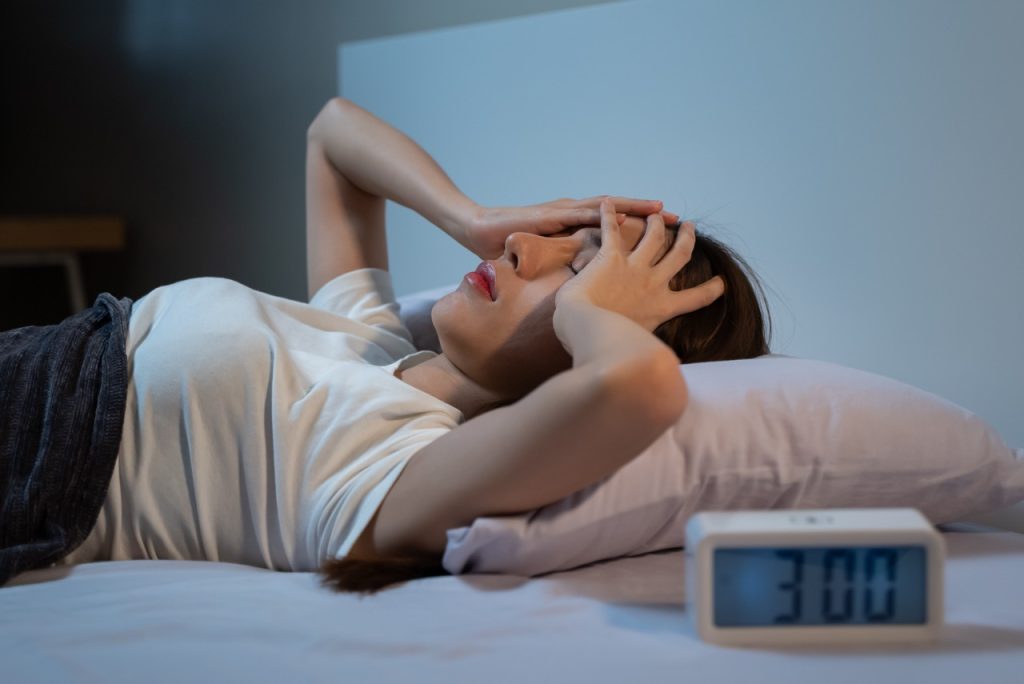
Sleep disruption and night sweats are among the most common concerns women experience during hormonal transitions, especially perimenopause and menopause. Fluctuating estrogen levels can affect the body’s ability to regulate temperature and sleep cycles, leading to frequent awakenings and discomfort throughout the night.
While occasional sleep changes are normal, persistent night sweats and poor sleep can affect energy, mood, and overall quality of life.
How Hormones Affect Sleep
Hormonal changes influence the body’s internal thermostat and sleep regulating hormones. Sudden drops or fluctuations in estrogen can trigger hot flashes and night sweats, often waking women from deep sleep. Over time, repeated disruptions may lead to chronic fatigue and difficulty falling or staying asleep.
Stress, lifestyle factors, and underlying health conditions can also contribute to sleep challenges during this stage.
Strategies to Support Better Sleep
Improving sleep often requires a combination of lifestyle adjustments and medical guidance. Helpful strategies may include maintaining a consistent sleep schedule, keeping the bedroom cool, and avoiding triggers such as caffeine or alcohol close to bedtime.
Relaxation techniques, gentle evening routines, and breathable bedding can also help reduce nighttime discomfort.
When to Seek Medical Guidance
If night sweats or sleep disruption are affecting daily life, it may be time to speak with a women’s health specialist. Ongoing symptoms can sometimes signal the need for further evaluation or individualized treatment options.
Personalized care can help identify contributing factors and create a plan that supports both symptom relief and long term health.
Prioritizing Rest for Overall Wellness
Sleep plays a critical role in physical and emotional wellbeing. Addressing sleep disruption early helps support energy, mood, and overall health during hormonal transitions.