Breast Cancer Prevention: How to Reduce Your Risk
There is no way to ensure that you will never develop breast cancer. Some risk factors, like family history, cannot be changed. However, you can manage risk and give yourself the best chance at remaining cancer-free through the following health and lifestyle choices.
- Avoid Smoking – Smoking can have many negative side effects. One of those is an increased risk of breast cancer. Don’t smoke or stop smoking and you will begin to shift the odds in your favor.
- Drink in Moderation – It’s ok to enjoy a drink every now and again. Excessive drinking can increase your cancer risk. One drink a day or less is recommended with an emphasis on less.
- Manage Weight – Being overweight can increase your chances of developing breast cancer. Make sure you stay at a healthy weight or start working toward getting there if you are currently overweight.
- Stay Active – Being active plays a big role in managing weight and maintaining good health. The average adult should do a minimum of 150 minutes of moderate aerobic exercise or 75 minutes of intense exercise weekly.
- Breastfeed – Several studies have shown a link between breastfeeding and cancer risk. According to the University of North Carolina at Chapel Hill assistant professor of obstetrics and gynecology Alison Stuebe, “There seems to be growing evidence that breastfeeding is associated with a lower risk of the really aggressive kinds of breast cancer.”
- Limit Hormone Therapy – Women who undergo combination hormone therapy for longer than three to five years tend to have an increased risk of developing breast cancer.
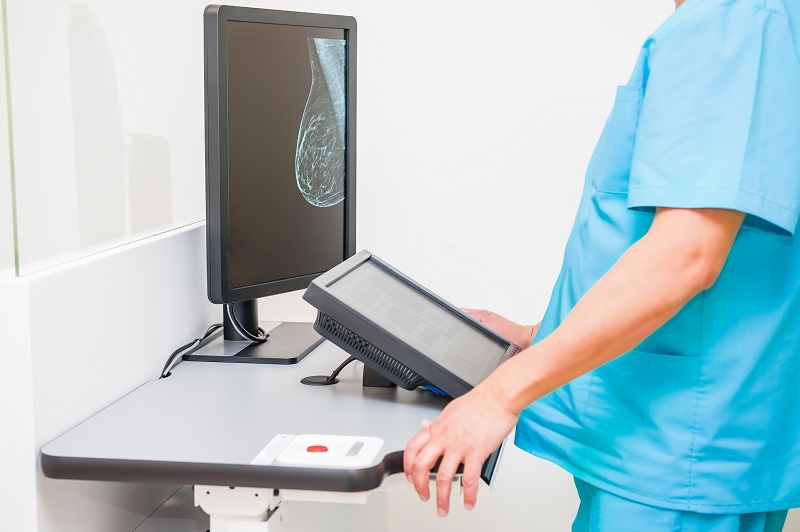
Regular mammography’s, self-breast exams, knowing the risk factors, and annual appointments with your gynecologist is a good first step toward protecting yourself.
Schedule an appointment and your mammography with your Women’s Health gynecologist today.