Recognizing the Signs of Postpartum Depression
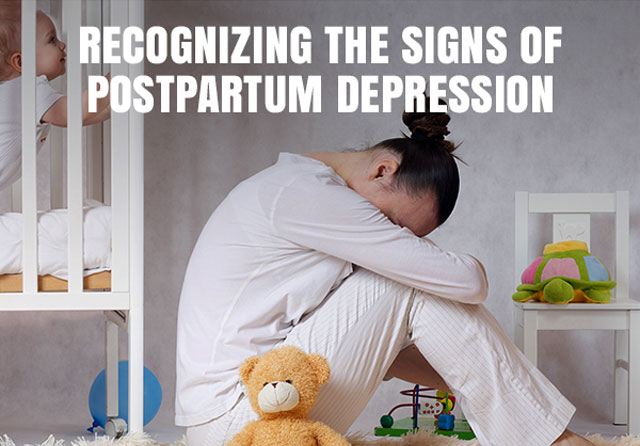
Postpartum depression is a mood disorder that affects women after pregnancy. This mental health condition can appear from the first day after giving birth but usually starts two to three weeks later. New moms often experience powerful emotions, but postpartum depression describes a more severe and longer-lasting condition.
Common Signs of Postpartum Depression
New mothers, their partners, and their friends and family should learn how to recognize the signs of postpartum depression. It’s not always easy for the sufferer to see that what they are experiencing is a real problem that requires medical attention.
- Feeling Overwhelmed – Feeling overwhelmed is normal for new moms, but feeling extremely overwhelmed is something else. It’s okay to think that being a parent is difficult. However, if the feelings are more along the lines of “I can’t do this, I’m never going to be able to do this,” then you may need professional help.
- Feeling Guilty – Other symptoms can lead to feelings of guilt. The new mother thinks that she should be doing a better job handling her emotions. She may feel like her baby deserves a better caregiver. This can become oppressive enough to make a new mother believe that her child would be better off without her.
- Not Bonding with Baby – Postpartum depression can also cause issues with bonding between mother and baby.
- Irritability and Anger – The condition can cause new moms to feel angry and irritable with a lack of patience.
- Feeling Numb & Empty – New moms with postpartum depression may also notice deep sadness and feelings of emptiness or being numb.
- Sleep Problems – Postpartum depression can cause irregular sleep. When the mother manages to fall asleep, she may wake up and not be able to rest.
- Eating Disorders – An eating disorder may also appear and can include not eating or overeating.
If you experience any of the above symptoms after giving birth, contact your Women’s Health and Menopause Center OB/GYN right away to schedule an appointment.
#WomensHealthandMenopauseCenter #OBGYN #Obstetrician #Gynecologist #PostpartumDepression