Reasons Your OB/GYN May Recommend an Ultrasound
Women's Health and Menopause Center Ultrasound

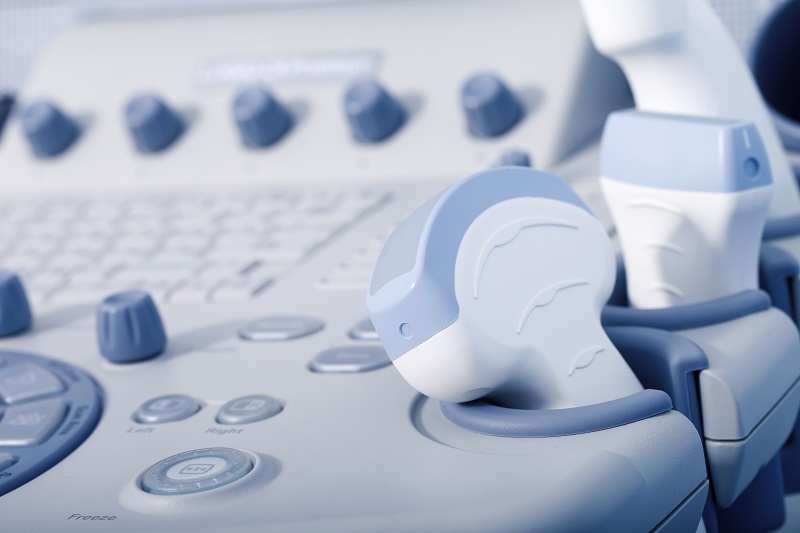
An ultrasound is a medical procedure that’s used to diagnose internal health conditions. The process is similar to sonar and radar. A device is used to pass high-frequency sound waves through the body. This produces images of structures. A doctor can view tissues, organs, and blood vessels without doing anything intrusive.

Why Do I Need an Ultrasound?

There are a number of reasons why your doctor may recommend an ultrasound. They include:

  • Pregnancy – An ultrasound allows your doctor to see your uterus and ovaries to ensure that the fetus is healthy and developing properly.
  • Checking a Breast Lump – An ultrasound can show if a lump is solid or liquid filled to determine if it is a cyst, non-cancerous, or tissue.
  • Diagnosing Cancer – Ultrasounds provide a clearer image than an x-ray and may be used as an initial step in diagnosing cancer. They cannot determine if a tumor is cancer, but can provide a better perspective.
  • Evaluate Blood Flow – An ultrasound may be used to find blockages in veins and arteries.
  • Guiding Needle for Biopsy or Amniocentesis – Ultrasounds are used to guide the needle directly to a tumor for biopsy or away from the baby during an amniocentesis.

Getting Ready for Your Ultrasound

An ultrasound usually requires no special preparation. Your doctor will advise you if you need to avoid eating or drinking beforehand. Some types, like a pelvis exam, may require a full bladder. Your obstetrician may ask you to drink six glasses of water a couple of hours before your visit. Contact your Women’s Health OB/GYN for an appointment.


Similar Posts

  • The Change of Life

    Menopause is a series of changes that every woman goes through in life. When menopause occurs, this is the beginning of the end of a woman’s menstrual cycle and reproductive abilities. There are three stages to menopause. These stages are known as perimenopause, menopause, and post-menopause. Perimenopause is the first stage of menopause but is…

  • Less Daylight, More Sadness

    December may be full of holidays and cheer, but it also comes with the least amount of daylight. The winter solstice provides 6 hours less daylight than the longest day of the year and could lead to anxiety and depression. If you are experiencing the winter blues, depression, or anxiety, please reach out to your…

  • Uterine Fibroids

    It is common for women to develop uterine fibroids. Thankfully, most are benign. If you suspect that you have uterine fibroids, contact Women’s Health for an appointment.  Click on this link for more information about uterine fibroids.

  • Prenatal Massages

    Pains and aches are part and parcel of every pregnancy. Physical discomfort, muscular tensions, headaches, backaches, and pains occur due to increased weight, shifting posture, and hormone levels. Prenatal massages improve circulation, alleviate aches and pains, ease muscular tensions and other pregnancy-related symptoms, and perk up expectant mothers’ moods and mental attitudes. Stress-related areas which…

  • Blossom Through Menopause With Spring Nutrition

    As spring blossoms, menopausal women can seize the season for health renewal. Learn about nutrition tips to support overall well-being during menopause and how the Women’s Health and Menopause Center serves as a dedicated partner, offering specialized care to guide women on their journey to optimal health. Embracing Seasonal Nutrition: Fresh Fruits and Vegetables: Spring…