
Pap Smear Screening Guidelines: 4 Things You Should Know
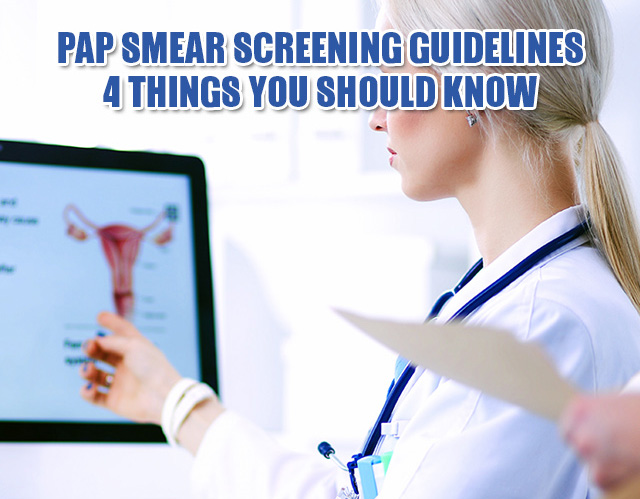
Regular pap smears are essential to monitoring for cervical cancer. According to the American Cancer Society, there will be over 13,200 new cases of invasive cervical cancer and over 4,100 women will die from the disease in 2018. What should you know about this vital screening test?

  1. You Should Get Your First Pap Smear at Age 21

The recommended age to begin pap smears is 21.

  1. Pap Smears Should Be Done at a Minimum of Every 3 Years Until Age 65

Pap smears should be done once every three years until age 65. Women who are age 30 and over may have the option of doing a pap smear and HPV test once every five years. Your gynecologist will provide you the proper recommendation.

  1. If You Have an Abnormal Test, Screen More Often

If you have a pap smear that comes back abnormal, you should begin screening more frequently. Talk to your doctor to come up with the best screening schedule based on past screenings, health status, and family history.

  1. Do Not Have Sex, Douche, or Use a Tampon Before a Pap Smear

Make sure you will not start your period when you have your pap smear done. You also should not have sex, douche, use a tampon, or apply any medicine or cream to your vagina before your appointment. Also avoid jelly, cream, and foam birth control products until after your test.

Contact your Women’s Health and Menopause Center OBGYN to schedule your next pap smear or to learn more about how regular screenings can help prevent cervical cancer.

#WomensHealthandMenopauseCenter #WHMC #OBGYN #PapSmear #PapSmearScreening

Similar Posts

  • Health Benefits of Tea Additives

    When the weather is colder, tea consumption and other warm beverages increases. These drinks help our bodies warm up, keep our taste buds buzzing, but above all they are full of health benefits. Adding just a few ingredients to your favorite hot beverage can make your drink taste better and also improve your health. Traditional…

  • Women’s Day

    Women’s Health and Menopause Center celebrates the achievement of all women on International Women’s Day. Today and everyday, we honor our incredible patients and staff, including our outstanding all women team of obstetricians. #ChoosetoChallenge

  • Pre-Pregnancy Care

    Many women believe that pre-natal care begins when you find out that you’re pregnant, but it really should begin when you start trying to conceive. Pre-pregnancy care helps to ensure that your body is healthy before it creates and supports a new life. If you are trying to conceive, we recommend taking Folic Acid, which…

  • In the News: HPV Virus Linked to Throat Cancer

    You’ve no doubt seen the commercials urging parents to immunize their teen and pre-teen daughters against the human papillomavirus (HPV), the virus known to cause cervical cancer in women. But surprisingly, there has been a recent upswing in HPV-related oropharynx (throat) cancer in men. Recent findings by the National Cancer Institute show that researchers have…

  • Practicing Safe Sex

    It is essential to practice safe sex to reduce the risk of Sexually Transmitted Infections and unintended pregnancy. Using condoms during sex prevents a barrier that protects both partners from spreading or contracting any STI. Some STDs often do not show symptoms, so even if you are practicing safe sex, it is helpful to get…