Coping with Painful Periods
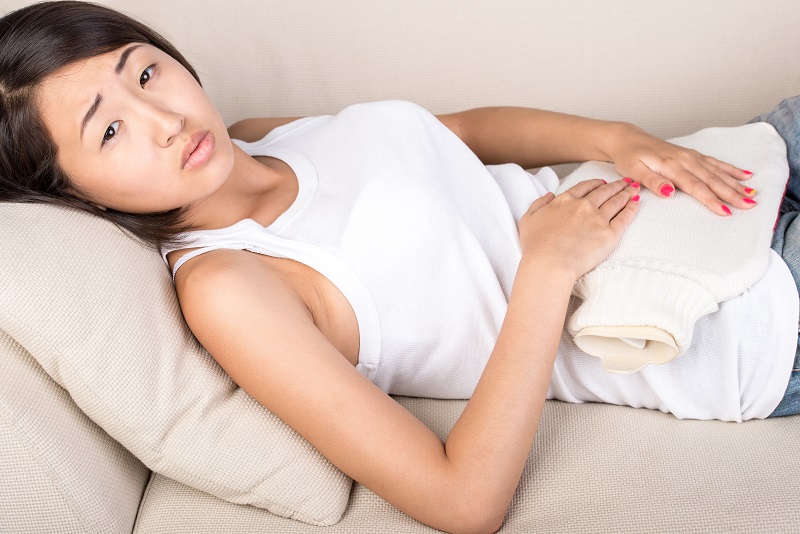
Dysmenorrhea is another way to describe the pain felt during menstruation. It is divided into two categories: primary and secondary. Common menstrual cramps fall into the primary group. They are recurrent, usually last a day or two before bleeding starts, and are not the result of a disease.
Secondary dysmenorrhea is pain that is felt due to a reproductive disorder like uterine fibroids or endometriosis. Discomfort usually starts earlier in the cycle and lasts longer than primary cramps.
What Causes Dysmenorrhea?
A chemical called prostaglandin causes the uterus to contract, or tighten. The contractions tend to be stronger during menstruation. If it happens too intensely, it can apply pressure to surrounding blood vessels, cutting off the oxygen supply to uterine muscles. This brief period of oxygen loss causes cramping. The causes of secondary dysmenorrhea will vary based on the patient’s medical condition.
How to Relieve Menstrual Cramps
There are several easy ways to help relieve primary dysmenorrhea. First, women should drink more water to help reduce bloating. Six to eight glasses per day are recommended. Also avoid anything that causes fluid retention, like salt. A healthy diet that is high in omega-3 fatty acids can help ease pain on an ongoing basis.
Warm up a heating pad or hot water bottle and lay it on your abdomen. You can combine this treatment with an over-the-counter pain reliever like aspirin or ibuprofen.
Even though you may not feel like it during this time, exercise can also help. A workout releases endorphins that help dull pain and discomfort. If you are feeling fatigued, try a low-impact activity like yoga. Contact Women’s Health OBGYN’s in West Bloomfield, Michigan to schedule an appointment to learn more about managing dysmenorrhea.