Heavy Periods Are Not Something You Have to Live With
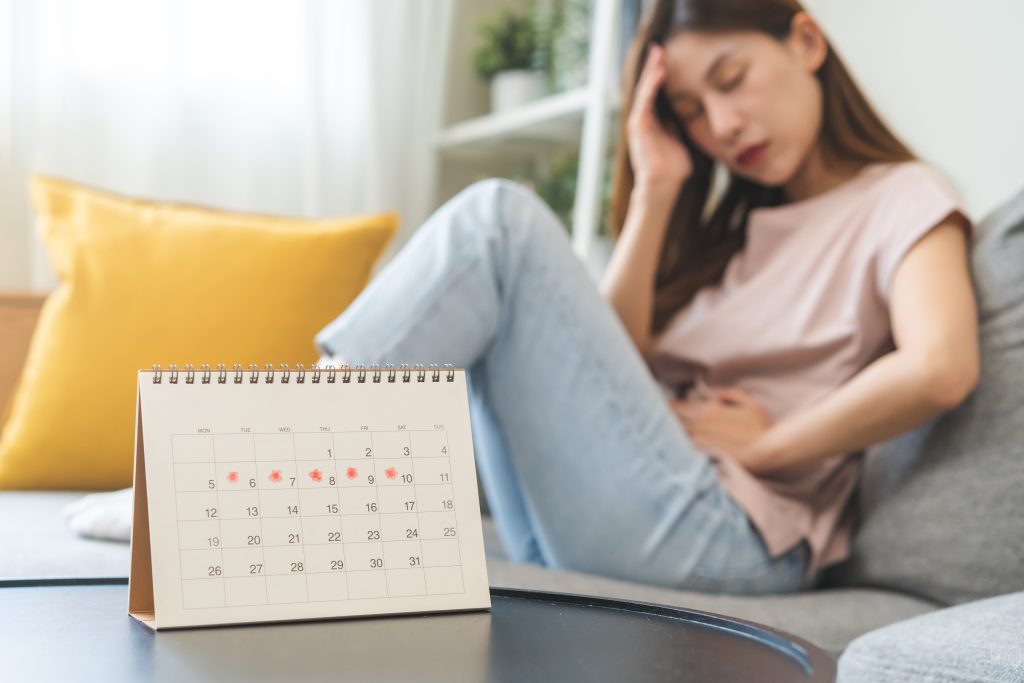
Heavy menstrual bleeding can interfere with work, sleep, exercise, travel, and relationships. Some women organize their lives around bathroom access or avoid leaving home during the first days of their period.
Heavy bleeding is common, but that does not mean it should be ignored.
Signs Your Period May Be Too Heavy
Talk with your OB-GYN if you:
- Soak through pads or tampons every hour
- Need to use multiple menstrual products at once
- Wake repeatedly to change protection
- Pass large blood clots
- Bleed longer than seven days
- Feel dizzy, weak, short of breath, or unusually tired
- Miss work or activities because of bleeding
Changing pads or tampons every hour for more than two consecutive hours, especially with dizziness, chest pain, or shortness of breath, requires urgent medical attention.
What Causes Heavy Menstrual Bleeding?
Possible causes include:
- Uterine fibroids
- Endometrial polyps
- Adenomyosis
- PCOS or irregular ovulation
- Thyroid disorders
- Bleeding disorders
- Pregnancy-related complications
- Certain medications
- Perimenopause
- Changes in the uterine lining
- Less commonly, gynecologic cancer
Your symptoms and age help determine which causes need to be considered.
How Is Heavy Bleeding Evaluated?
An evaluation may include:
- Menstrual and pregnancy history
- Pelvic examination
- Pregnancy testing
- Blood count and iron testing
- Thyroid or hormone testing
- Pelvic ultrasound
- Endometrial biopsy
- Hysteroscopy
Not every patient needs every test. The plan depends on your bleeding pattern, health history, and risk factors.
Treatment Options
Treatment may include:
- Anti-inflammatory medication
- Tranexamic acid
- Birth control pills, patches, or rings
- Progestin treatment
- A hormonal IUD
- Iron supplementation
- Treatment of a thyroid or bleeding disorder
- Removal of a uterine polyp
- Fibroid treatment
- Endometrial ablation
- Hysterectomy in selected cases
Endometrial ablation may be considered for certain patients who have completed childbearing. Women who want future pregnancies require different options.
Women’s Health and Menopause Center performs and coordinates several common gynecologic procedures used to evaluate or treat abnormal bleeding.
Do Not Wait Until You Become Anemic
Heavy bleeding can gradually reduce iron levels. Symptoms may include fatigue, headaches, shortness of breath, heart palpitations, or difficulty concentrating.
A blood count may identify anemia, but normal testing does not mean disruptive bleeding should be dismissed.
Your period should not regularly prevent you from participating in daily life. An individualized evaluation can identify the cause and help you compare treatment options.
Schedule an appointment with Women’s Health and Menopause Center in West Bloomfield to discuss heavy or irregular periods.