Menopause and Sex: How Change of Life Affects Intimacy

Menopause is a significant milestone in a woman’s life. This is a time when your body changes, and with it, your sex drive may also change. Some women think that menopause means the end of intimacy, but this is not the case. It’s important to understand these changes and how to manage them so that you can maintain a healthy, happy lifestyle.

Sexual Changes During Menopause

Not every woman notices a change in sexual function during menopause. The experience is different for every woman. During this time, estrogen levels drop which can lead to a decreased sex drive. It can also decrease blood flow to the vagina which can cause dryness and discomfort during intercourse. Other symptoms can affect a woman’s libido, including:

  • Hot flashes
  • Mood changes
  • Anxiety & stress
  • Depression
  • Sleeping problems
  • Night sweats
  • Weight gain
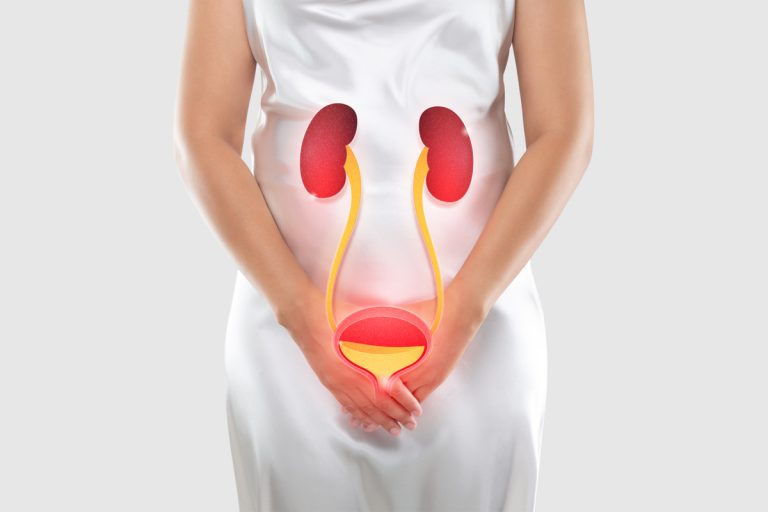
  • Urinary problems

Menopause Treatment Options

There are ways to manage menopause symptoms and regain control of your sex drive. First, stick to a healthy diet and lifestyle that includes adequate exercise. If you are having problems, talk to your partner to discuss changes that could help overcome your concerns. Counseling is also available to help you both understand and adapt.

Hormone therapy is an effective solution, but one that you should discuss with your gynecologist. It can come with an increased risk of heart disease and stroke. Some women also try to apply relaxation techniques, masturbation, and sensual massage. Changing positions during sex can also have a positive effect.

A doctor can provide recommendations to help you continue to enjoy sex after menopause. Contact your Women’s Health and Menopause Center gynecologist to make an appointment today.

 

Similar Posts

  • Menopause Help

    Menopause starts when women reach their late forties and early fifties. The body’s transition into menopause usually lasts for several years. During the start of menopause, two out of three women show distressing signs or symptoms of menopause. The common symptoms of menopause are hot flashes, night sweats, mood swings, irritability, and tiredness. Doctors can…

  • Cervical Cancer Screening

    Did you know that cervical cancer screenings are very simple and fast, and can be done during your regular annual visit? Your annual visit is important for many reasons, this is the time for blood work, breast exams, and pelvic exams to check for signs of ovarian cancer, and to speak to your doctor about…

  • Baby Skincare in the Fall

    As the leaves turn golden and the air becomes crisp, it’s time to adapt your baby’s skincare routine to the changing seasons. Fall brings cooler temperatures and drier air, which can impact your little one’s delicate skin. Proper skincare is essential to keep your baby’s skin soft, healthy, and protected. Learn more with Women’s Health…

  • Urinary Incontinence As You Age

    Urinary incontinence, also known as overactive bladder, is when a person leaks urine by accident and experiences an urgent and frequent need to visit the bathroom. In older people, it affects more women than men. Urinary incontinence can happen for many reasons. However, aging can be a major cause in older adults. Age-related causes include:…

  • The Effects of Hormonal Contraceptives on Women’s Health

    The effects of hormonal contraceptives on women’s health are vast and wide-ranging. These drugs are taken by millions of women around the world every day, yet their long-term effects on women’s health are not fully understood. This article will explore the effects of hormonal contraceptives on women’s health in more depth, as well as the…