Should I Have a Bone Density Test?

Womens Health Bone Density Test

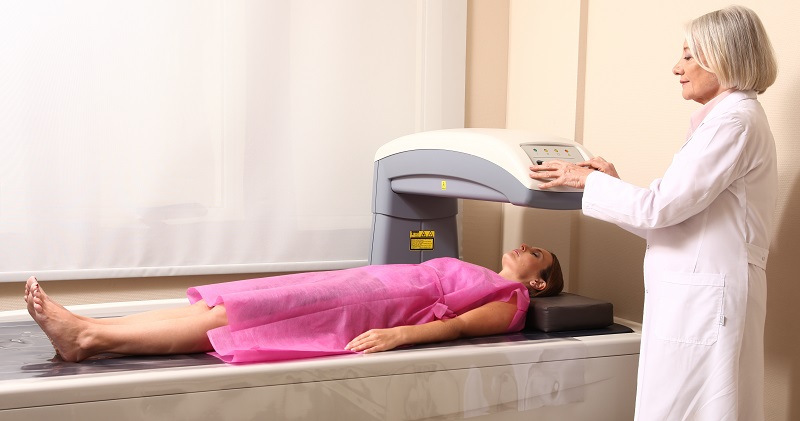
A bone density test is used to determine the strength and condition of your bones. It is a type of X-ray that’s also known as a DEXA scan. The data collected from this procedure can identify bone loss and help doctors come up with a treatment plan. While it’s important to monitor health, not everyone needs a bone density test.

Who Needs A Bone Density Test?

Most adults under the age of 65 do not need to undergo a bone density test. That’s because most patients do not have bone loss or have only mild loss. That means their risk of breaking a bone is minimal. They should continue living a healthy lifestyle with exercise and a nutritious diet that includes plenty of vitamin D and calcium.

The Risk of a Bone Density Test

Just like other X-ray procedures, a bone density test uses a small amount of radiation. This is typically manageable and not a serious risk. However, repeated exposure can increase your risk over time. That’s why it is better to get as many tests or X-rays done as is recommended base on your age and health status.

Risk Factors to Consider

If you are a woman over age 65, then you should talk to your doctor about having a bone density test. If you are under age 65, then you likely won’t need one unless you:

  • Have broken a bone in a minor accident
  • Have been diagnosed with rheumatoid arthritis
  • Have a parent who broke their hip
  • Are a smoker
  • Are a heavy drinker
  • Have a low body weight
  • Have a low vitamin D level
  • Used a corticosteroid drug for three months or longer

We can help you decide if a bone density test is a good choice for you. Contact Women’s Health today to schedule an appointment.
Similar Posts

  • Ultraprocessed Foods Linked To Ovarian and Other Cancer Deaths

    Watch Dr. Marcotte’s video as she explains the dangers of ultraprocessed foods on your body! A new study of over 197,000 people in the UK, with over half of them being women, reveals that consuming ultraprocessed foods increases the likelihood of both developing and dying from cancer, with a particular emphasis on ovarian cancer. Ultraprocessed…

  • COVID-19 SCREENING & PROTOCOLS

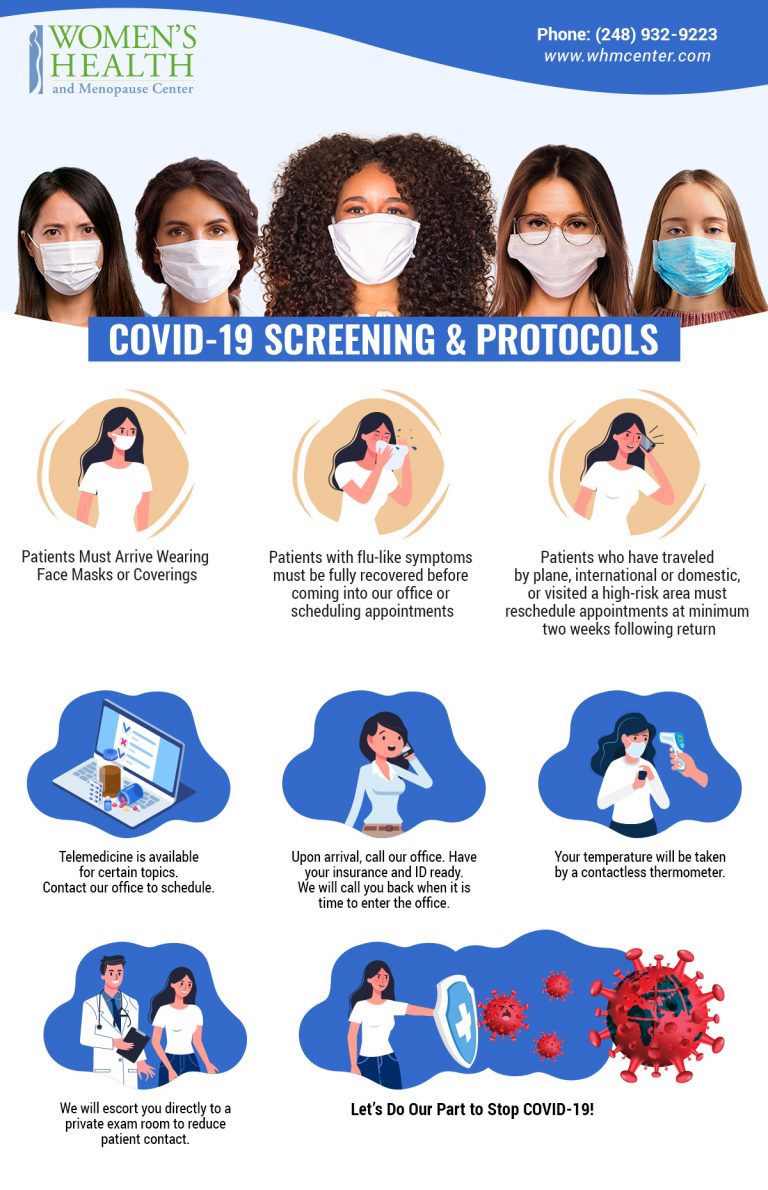
    Your health and safety is of the utmost importance to us. Our current screening and protocols that are currently in place have been implemented for the well-being of our patients and staff. We understand the uncertainty of some of our patients. Please know that we actively monitor the changes from the Centers for Disease Control…

  • Endometriosis

    Endometriosis affects 176 million women across the globe. This condition occurs when tissue that normally grows on the inside of the uterus forms on the outside. It’s usually located on the fallopian tubes, ovaries, and around the uterus. The Symptoms of Endometriosis Every woman with endometriosis may experience a different set of symptoms. Some report…

  • Menopause and Heart Palpitations

    Menopause isn’t typically life-threatening, but it can bring symptoms like a rapid heartbeat in extreme cases. The occasional feeling that your heart skips a beat does not necessarily indicate a serious medical problem. For those with menopause, your doctor should monitor rapid heartbeat to check for a mitral valve prolapse, a mild heart valve deformity….

  • Exercising While Pregnant

    There are some conditions or circumstances that make exercise during pregnancy unsafe. Severe anemia is one of these conditions. Anemia is when there are not enough healthy red blood cells in the blood. This will cause reduced oxygen flow to the organs in the body. Reduced oxygen will compromise anyone and everyone’s wellbeing, especially pregnant…