Menopause and Seasonal Depression

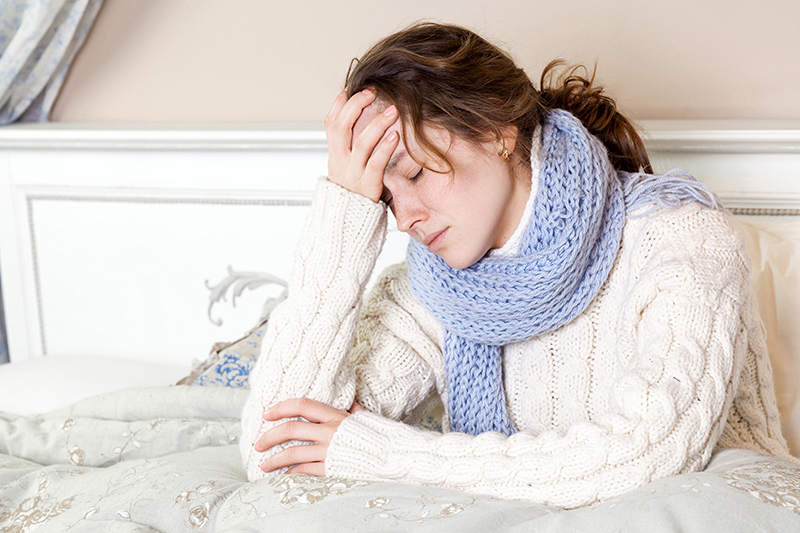
SAD, or Seasonal Affective Disorder, is a mood disorder that is common during the winter but can occur at any time of year. Seasonal Affective Disorder is a type of depression, but it is considered seasonal based on its annual reoccurrence.
Although scientists are not entirely confident about what causes the disorder, it is often linked to the lack of sunshine during the winter months, providing the body with less serotonin than in the rest of the year.
Those experiencing SAD may feel some of the symptoms of depression, including fatigue, change in appetite, lack of energy, and overall sadness.
Seasonal Affective Disorder is diagnosed in women four times as often as with men. Some women experience symptoms that begin to affect their everyday lives, and those experiencing menopause may feel heavier effects.
Declining estrogen levels may result in mood shifts and depressive feelings. Other symptoms of menopause are similar to those of depression, including irritability, anxiety, and a lack of motivation.
Menopause combined with Seasonal Affective Disorder can cause a lot of emotions in women, and it may seem like a feeling that will never end.
There are coping mechanisms for both SAD and menopause that can help women get through the difficult period. Consider light therapy to regulate circadian rhythms and serotonin within the brain. You can speak to your doctor about the various options for lights in more detail. Exercise and a healthy diet are other great options to increase mood and energy levels. Remaining active during this time can help reduce the symptoms of depression and keep your mind and body healthy.
In some cases, your doctor may recommend an antidepressant to combat your symptoms. There are a lot of options with this type of drug, and it is important to work alongside your doctor to determine the option that best suits you.
If you do experience seasonal affective disorder or depression during menopause, it is important to recognize that you are not alone. Our practice is well-versed in the signs and symptoms of menopause, and we are ready to discuss the right plan for you.

Similar Posts

  • Common Pregnancy Issues

    When people think of pregnancy, morning sickness is typically the first thing that comes to mind. This is the main pregnancy symptom that is shown on TV and in movies, and for many people it is an issue they experience often during the first trimester. It is perfectly normal to experience morning sickness, but it’s…

  • What Should You Know About HPV

    Human papillomavirus (HPV) is a virus passed from person to person through skin-to-skin contact. There are more than 100 types of HPV; about 30 types infect the genital areas of men and women. One myth says HPV is spread only by sexual intercourse, however it can be spread by an infected partner, through vaginal, anal…

  • Menopause and Heart Palpitations

    Menopause isn’t typically life-threatening, but it can bring symptoms like a rapid heartbeat in extreme cases. The occasional feeling that your heart skips a beat does not necessarily indicate a serious medical problem. For those with menopause, your doctor should monitor rapid heartbeat to check for a mitral valve prolapse, a mild heart valve deformity….

  • HPV Screenings

    Pap test and HPV test screenings are recommended for all women beginning at age 21 including those who have been vaccinated against HPV since the vaccine works for new infections and does not treat existing disease. This is why the HPV vaccine is best received when given before any exposure to HPV. To learn more,…

  • Seasonal Flu Vaccine Available

    The seasonal flu vaccine is now available at Women’s Health and Menopause Center (WHMC) with a scheduled appointment. Doctors and the Center for Disease Control continue to recommend that the best way to avoid the flu is to be vaccinated. People over 50, young children and women pregnant during the flu season are most likely…

  • What Is a Cervical Ectropion?

    Cervical ectropion, also known as cervical ectopy, occurs when the glandular cells (or soft cells) inside the cervical canal spread to the exterior of the cervix. This region normally has epithelial or hard cells. The cervix is where the vagina and uterus connect. When this condition appears, the area where the two types of cells…