High Blood Pressure During Pregnancy

Women's Health and Menopause Center High Blood Pressure During Pregnancy
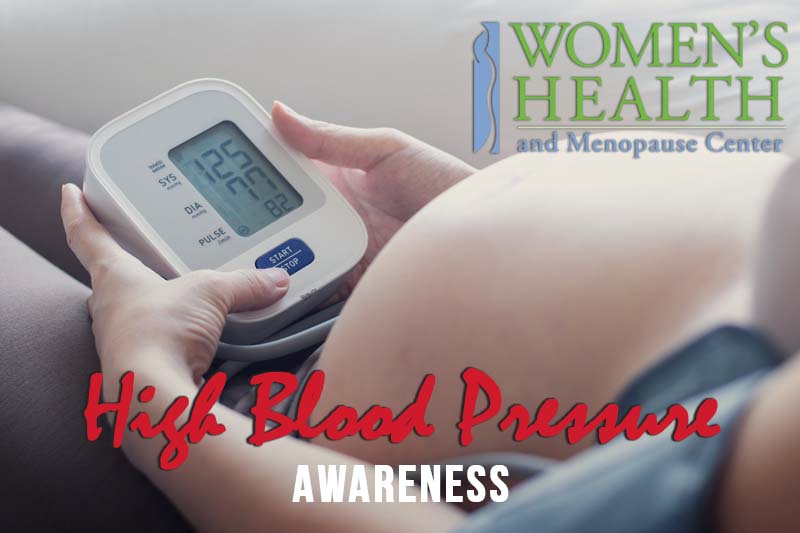
The force your blood creates against your arteries is called blood pressure. Hypertension is a medical condition that occurs when blood pressure is high. High blood pressure during pregnancy can cause complications for the mother and the baby, making you at higher risk. During your pregnancy visits, we will monitor your blood pressure and take any needed action to help ensure a healthy pregnancy.

Gestational Hypertension

Gestational hypertension develops after twenty weeks of pregnancy. There are no symptoms, so pregnant women must be checked regularly by a doctor. Gestational hypertension is not associated with damage to the mother or unborn child. However, women with this condition are at a higher risk for pre-eclampsia and must be carefully monitored.

Chronic Hypertension

Women who have high blood pressure prior to pregnancy are at an increased risk for complications, including preeclampsia during the last trimester. Because high blood pressure often has no symptoms, a woman may not realize that she has chronic hypertension until she is checked at her first prenatal visit. This is one of the many reasons it is vital to visit an obstetrician before you decide to get pregnant.

Pre-eclampsia

Pre-eclampsia is a sudden spike in blood pressure during the last trimester of pregnancy, accompanied by kidney or liver damage. Pre-eclampsia symptoms include severe headaches, nausea, abdominal pain, shortness of breath, sudden weight gain, and swelling. Pre-eclampsia can cause organ damage, seizures, and placental separation. If untreated, it can lead to death for both the mother and child.

It is essential to begin prenatal care early and attend all your visits so that our doctors can monitor your blood pressure. If neglected, serious complications can occur. Proper medical care is essential for the mother and baby before, during, and after birth. Contact Women’s Health in West Bloomfield, Michigan for an appointment today.

Similar Posts

  • World Dense Breast Day

    On National #WorldDenseBreastDay, we’re joining a global effort to help raise awareness and support education on dense breasts. #DYK? Dense breast tissue increases a woman’s risk of developing breast cancer and makes breast cancer harder to find on a traditional mammogram. At [insert practice name], we are on a mission to improve women’s healthcare. Today…

  • Managing Heavy Periods Without Surgery

    Understanding Heavy Menstrual Bleeding Heavy menstrual bleeding, also called abnormal uterine bleeding, affects many women during their reproductive years and into perimenopause. If your period lasts longer than seven days, causes fatigue from blood loss, or interferes with daily life, it’s important to seek evaluation from a trusted OB/GYN. Fortunately, many women manage heavy periods…

  • Eating Nuts in Pregnancy

    In recent years, there has been a lot of discussions and precautions that eating nuts during pregnancy could develop a nut allergy in your baby. A new study done by physicians at Boston Children’s Hospital suggests that this is not the case. Dr. Michael Young, allergy and immunology specialist at Boston Children’s Hospital, indicated in…

  • How Hormones Dictate Sleep, Heart Rate, and Mood

    In the intricate orchestra of bodily functions, hormones play the role of conductors, directing everything from sleep patterns to heart rate and even our mood. These biochemical messengers wield significant influence over our daily lives, often in ways we may not fully appreciate. Let’s delve into the fascinating interplay between hormones and three vital aspects…

  • I’m Pregnant, Now What?

    The only way for a woman to know for sure if she is pregnant is to take a pregnancy test and visit a doctor or OB/GYN. Pregnancy can imitate or mimic the symptoms of menstruation, which is why you should take a pregnancy test and see your doctor. There are some early signs early on…

  • Vaginal Dryness and Non-Hormonal Treatment Options

    Understanding Vaginal Dryness Vaginal dryness frequently occurs during perimenopause and menopause due to declining estrogen levels. It may also develop postpartum or while breastfeeding. Symptoms include irritation, discomfort during intimacy, and increased urinary sensitivity. Women experiencing multiple menopausal symptoms may benefit from exploring our comprehensive Menopause Care Services (/menopause-care). Why Consider Non-Hormonal Options? Some women…