
Happy Rosh Hashanah

Women’s Health and Menopause Center wish all who celebrate Rosh Hashanah a sweet, healthy and good New Year.
Women’s Health and Menopause Center wish all who celebrate Rosh Hashanah a sweet, healthy and good New Year.
Sex is great! You may wonder, “Why would I not want to have it with my partner?” That is until the day comes when you notice that you misplaced your libido. Before you, or your partner, panic, you need to know that every adult experiences high and lower sex drives throughout their lifetime. It can…
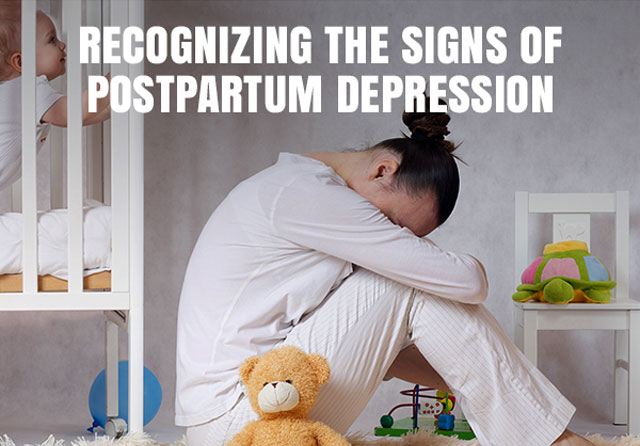
Postpartum depression is a mood disorder that affects women after pregnancy. This mental health condition can appear from the first day after giving birth but usually starts two to three weeks later. New moms often experience powerful emotions, but postpartum depression describes a more severe and longer-lasting condition. Common Signs of Postpartum Depression New mothers,…
Regular mammograms are still the best way to detect breast cancer early. There are other options that your doctor may recommend depending on your individual needs. We wrote about some of these alternatives in a previous blog article, Choices in Mammography. Although, the diagnosis of breast cancer is a fear of many women, early detection…

The right or best birth control method differs from person to person. The right birth control is the one that most fits into your lifestyle and most effectively prevents pregnancy for you What should you consider? There are several factors to consider when choosing the “right” birth control. Some of them include: Degree on Effectiveness…

:More women in their early forties and even late thirties are reporting symptoms that mirror the hormonal changes traditionally associated with midlife. This shift has sparked a growing conversation about early perimenopause and what may be causing it. Although every woman has a unique hormonal rhythm, understanding why symptoms are appearing sooner and how to…
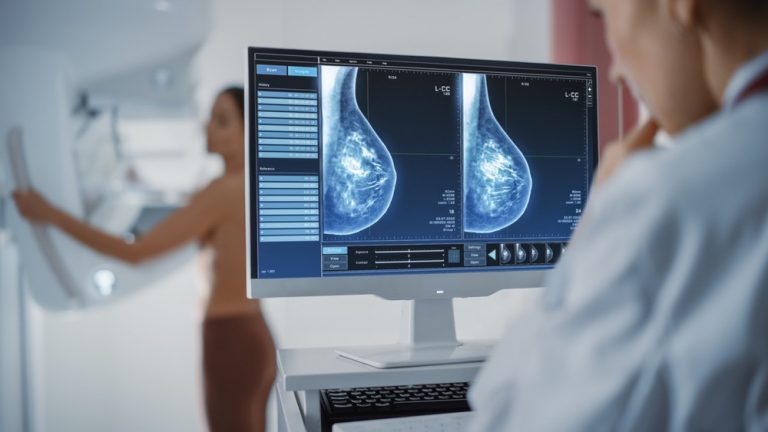
Breast density is an important factor in breast cancer screening, yet many women are unaware of what it means. Dense breasts have less fatty tissue and more glandular and connective tissue, making it harder to detect abnormalities on a standard mammogram. Approximately 40% of women have dense breasts, which can slightly increase their risk of…
 Call Us (248) 932-9223