
Happy Halloween in 2017
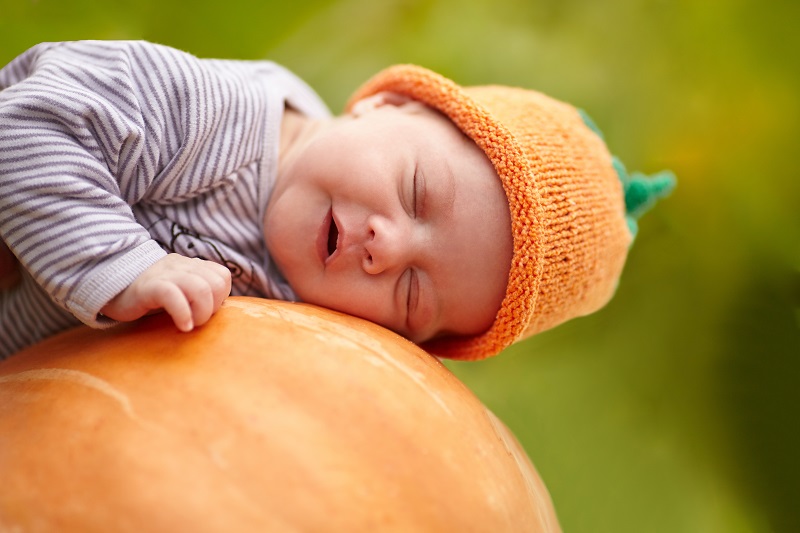
Women’s Health and Menopause Center wishes everyone a happy and safe Halloween!
#WomensHealthandMenopauseCenter #Halloween2017
Women’s Health and Menopause Center wishes everyone a happy and safe Halloween!
#WomensHealthandMenopauseCenter #Halloween2017
5 Tips for a Healthy Future College is an exciting opportunity for growth and personal development. Every year, millions of students enroll in classes across the United States. There is a lot to look forward to, but it’s important to not lose sight of your health and wellbeing. Begin good habits now so you can…

In recent years there has been a lot of talk about the HPV vaccine for young tweens, aged 11-12 years old, but recent studies show that there has been a decline in vaccines administered. These same studies show that these “tweens” have had office visits receiving other vaccinations, but have not received this “Anti-Cancer Vaccine”….
Growing older is one of the things we cannot control. That includes the changes that come with it. There’s a belief that menopause is this long, horrible period in a woman’s life that makes her moody and miserable. While symptoms for some can be uncomfortable, the “change” is usually not nearly as bad as it…
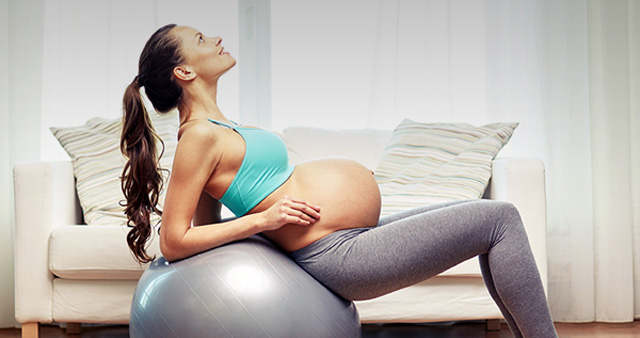
Pregnant women go through many physical changes that affect their comfort and energy levels. A regular exercise routine can help an expectant mom feel better and stay healthy. It can also improve posture and decrease common pregnancy problems like fatigue and back pain. As long as it is done safely, you and your baby can…
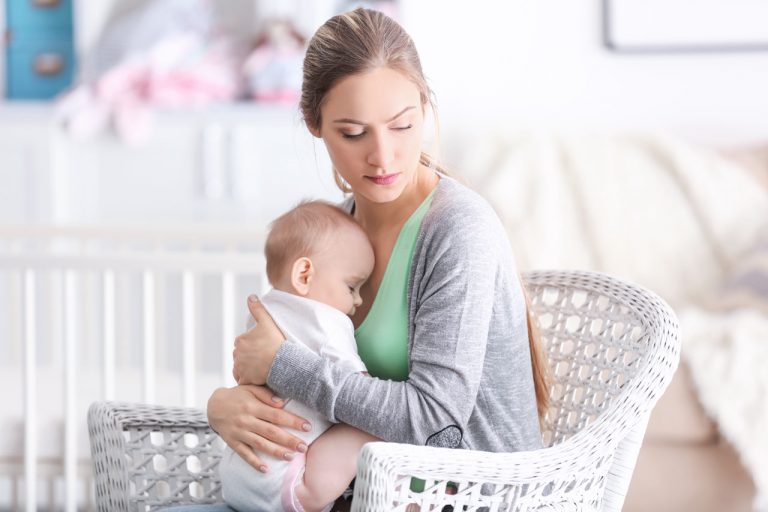
The fourth trimester, the first three months after childbirth, is a critical time for recovery and adjustment. While much focus is on the baby, it’s equally important for new moms to prioritize their own health during this period. Physical Recovery Whether you had a vaginal delivery or a C-section, your body needs time to heal….

Thank you for your service!
 Call Us (248) 932-9223