Are You Experiencing Bone Loss? How to Prevent Osteoporosis

Womens Health and Menopause Center Bone Density

Bone loss is a condition that develops slowly over many years. Many women are unaware that they have it until they fracture a bone. According to the U.S. Surgeon General, about half of all Americans could have weak bones as a result of bone loss by 2020. This leads to a disease known as osteoporosis.

Am I At Risk for Bone Loss?

There are a number of risk factors that may increase your chances of bone loss. Age is a common factor. The older you get, the greater your risk becomes. Women with a small frame and thin bones are also at a higher risk. Other risk factors include:

  • Being an Asian or Caucasian woman
  • Having a family history of osteoporosis
  • Having a personal history of bone injury
  • Poor diet that is lacking in calcium and vitamin D
  • Living a sedentary lifestyle without exercise
  • Taking medication like glucocorticoids
  • Smoking

How to Prevent Bone Loss

The sooner you take steps to prevent bone loss, the better your chances of avoiding osteoporosis. Begin by living a healthy lifestyle with plenty of physical activity and a healthy diet. Adults up to age 50 should consume 1,000 mg of calcium each day. Adults over age 50 should increase to 1,200 mg.

Weight-bearing exercise is also good for bone growth. Recommended activities include stair climbing, jogging, and walking. A 30 minute workout each day can significantly lower your risk of osteoporosis. Contact your Women’s Health and Menopause Center gynecologist before starting an exercise routine, to learn more about how to prevent bone loss, and to see if it is time to have a bone density test.

#WomensHealthandMenopauseCenter #OBGYN #PreventBoneLoss #Osteoporosis #BoneDensityTest
Similar Posts

  • Advances in Prenatal Screening

    Pregnancy is a journey filled with anticipation and concern for the health and well-being of the unborn child. Thanks to advancements in prenatal screening, expectant parents now have access to more accurate and early detection methods for genetic conditions. Enhanced non-invasive prenatal testing (NIPT) is revolutionizing prenatal care by providing critical information early in pregnancy….

  • Laparoscopy

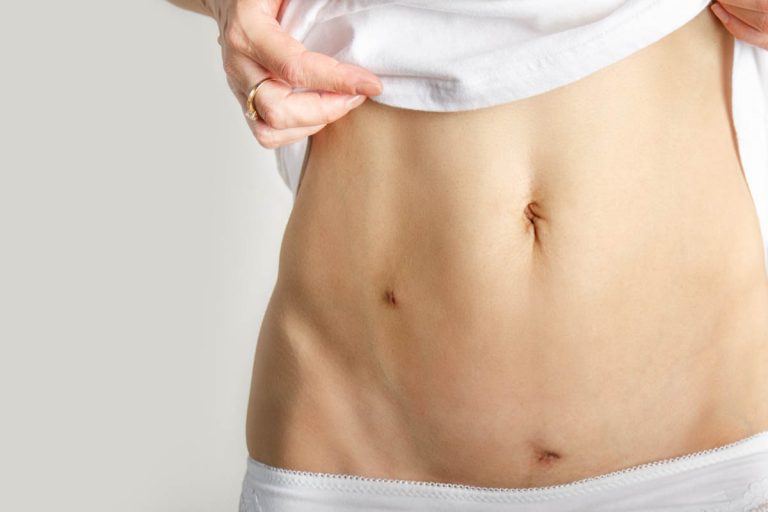
    A laparoscopy is a procedure used by doctors to diagnose and treat endometriosis, ectopic pregnancy, and pelvic inflammatory disease. The surgery is minimally invasive and requires small incisions in the abdomen. After the incision, carbon dioxide is injected into the abdomen to expand the area. This steps helps the doctor view the area more easily….

  • Managing Sleep Disruption and Night Sweats

    Why Sleep Disruption and Night Sweats Are Common Sleep disruption and night sweats are among the most common concerns women experience during hormonal transitions, especially perimenopause and menopause. Fluctuating estrogen levels can affect the body’s ability to regulate temperature and sleep cycles, leading to frequent awakenings and discomfort throughout the night. While occasional sleep changes…

  • Women’s Health COVID-19

    Dear Friends and Patients, As the first cases of COVID-19 have spread to residents in our state, many of our patients have voiced concerns on what measures should be taken to reduce the risk of contracting the virus and what steps should be followed if you believe you may have been exposed, or think you…

  • Addressing Hormonal and Relational Shifts Openly

    Introduction Hormonal changes affect more than just your body—they impact your relationships, communication, and emotional well-being. Whether you’re in your 30s managing PMS or navigating menopause in your 50s, it’s time we talk openly about how hormones shape our interactions—and how to support both yourself and your relationships. Hormonal Changes and Emotional Health Shifting levels…