
Endometriosis and Fertility: Does Endometriosis Always Cause Infertility?
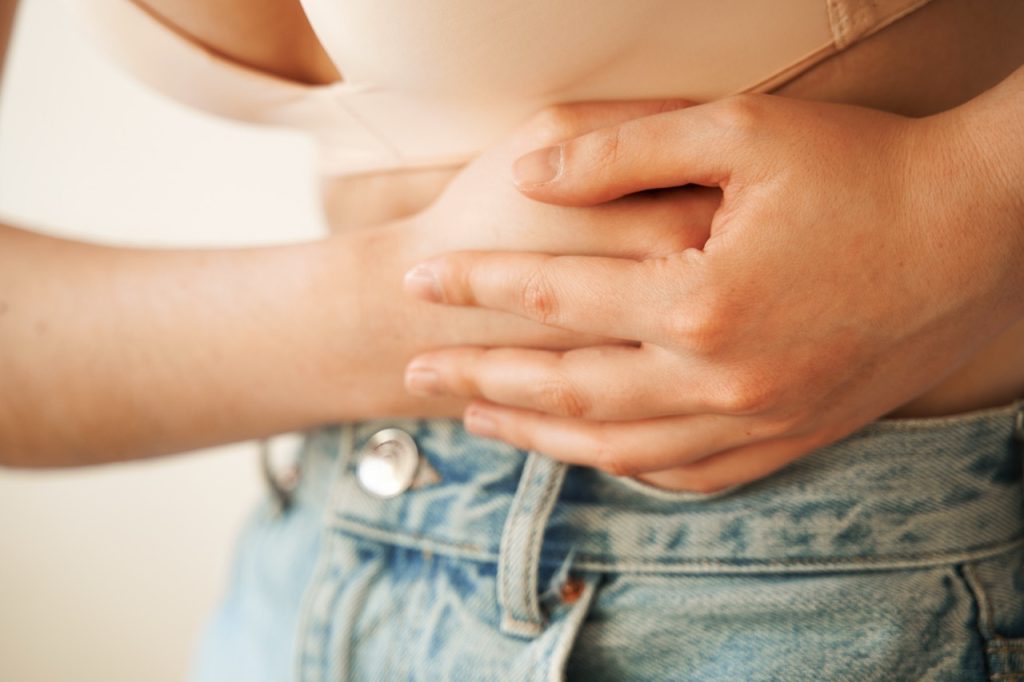
Receiving an endometriosis diagnosis can create understandable concerns about fertility. However, endometriosis does not always cause infertility, and the condition affects each patient differently.
Some women conceive without treatment. Others benefit from medication, surgery, or fertility support.
What Is Endometriosis?
Endometriosis occurs when tissue similar to the uterine lining grows outside the uterus. It may affect the ovaries, fallopian tubes, pelvic lining, bowel, bladder, or other nearby structures.
Possible symptoms include:
- Painful menstrual cramps
- Chronic pelvic pain
- Pain during or after sex
- Painful bowel movements
- Painful urination during periods
- Heavy or irregular bleeding
- Difficulty becoming pregnant
The severity of pain does not always match the amount of endometriosis present. Some patients with extensive disease have mild symptoms, while others with smaller areas have severe pain.
How Can Endometriosis Affect Fertility?
Endometriosis may contribute to fertility challenges through:
- Inflammation in the pelvis
- Scar tissue or adhesions
- Changes involving the ovaries
- Blocked or distorted fallopian tubes
- Effects on egg release or fertilization
- Pain that makes intercourse difficult
Endometriosis is associated with infertility, but it is not possible to predict fertility based only on symptoms.
When Should You Request a Fertility Evaluation?
Women younger than 35 are generally advised to seek an evaluation after one year of trying. Women older than 35 may be evaluated after six months.
Earlier evaluation may be appropriate when endometriosis is known or strongly suspected, periods are extremely painful, ovarian surgery has occurred, or other fertility concerns are present.
How Is Endometriosis Diagnosed?
Your evaluation may include:
- Detailed symptom history
- Pelvic examination
- Ultrasound
- MRI in selected situations
- Diagnostic laparoscopy
A normal ultrasound does not always rule out endometriosis. Laparoscopy allows a surgeon to view the pelvis directly and may allow treatment during the same procedure.
Women’s Health and Menopause Center describes diagnostic laparoscopy as one option for evaluating endometriosis, pelvic pain, ovarian cysts, adhesions, and certain causes of infertility.
Treatment Depends on Your Goals
Treatment may include hormonal medication, pain management, pelvic floor therapy, surgery, or fertility treatment.
A patient who wants pregnancy soon may receive different recommendations from someone whose primary goal is controlling pain. Surgery is not automatically the best choice for every patient, particularly when ovarian reserve may be affected.
Do Not Ignore Severe Period Pain
Periods that regularly cause vomiting, fainting, missed work, or an inability to complete daily activities deserve evaluation.
Schedule an appointment with Women’s Health and Menopause Center to discuss endometriosis symptoms, pelvic pain, or fertility concerns.