Pelvic Pain in Women: Common Causes and When to Get Evaluated
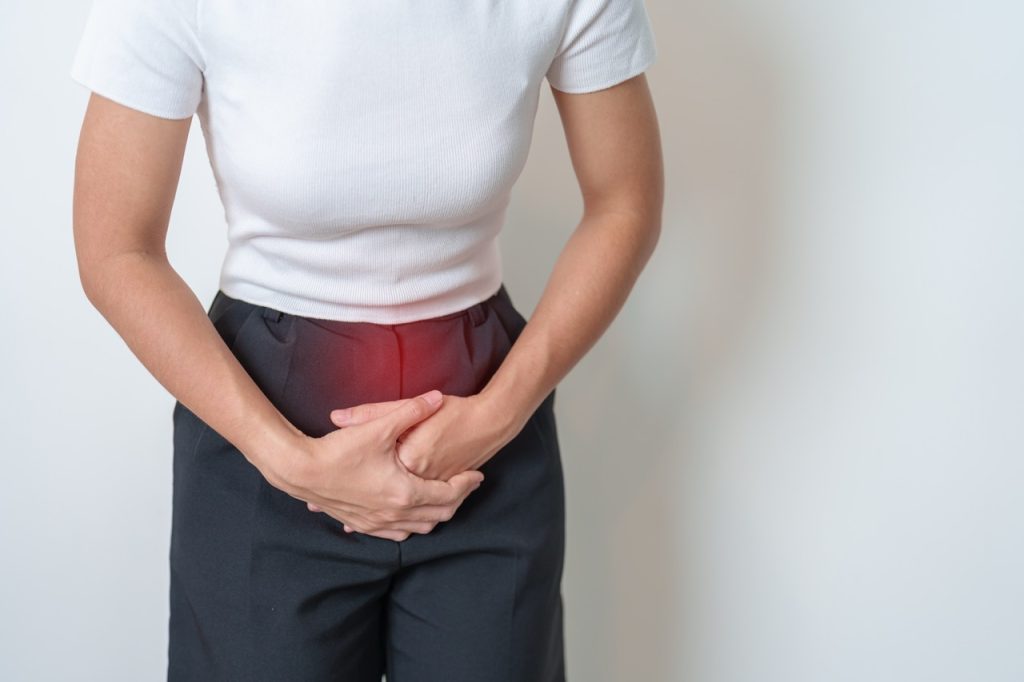
Pelvic pain can be sharp, aching, cramping, burning, or pressure-like. It may occur suddenly, develop gradually, or come and go with the menstrual cycle.
Because many organs and muscles are located in the pelvis, identifying the source may require a careful evaluation.
Common Gynecologic Causes
Pelvic pain may be related to:
- Painful periods
- Endometriosis
- Ovarian cysts
- Uterine fibroids
- Adenomyosis
- Pelvic inflammatory disease
- Ovulation
- Pelvic adhesions
- Pregnancy complications
- Pelvic floor muscle tension
Pain during intercourse, bowel movements, or urination may provide useful clues.
Pain May Come From Outside the Reproductive System
Bladder, bowel, nerve, muscle, and joint conditions can also cause pelvic symptoms.
Possible non-gynecologic causes include:
- Urinary tract infection
- Interstitial cystitis
- Irritable bowel syndrome
- Constipation
- Hernia
- Pelvic floor dysfunction
- Hip or lower-back conditions
More than one condition may be contributing at the same time.
When Is Pelvic Pain an Emergency?
Seek urgent evaluation for sudden or severe pelvic pain, especially when it occurs with:
- Heavy bleeding
- Fainting or dizziness
- Fever
- Vomiting
- Shoulder pain
- A positive pregnancy test
- Shortness of breath
- A rigid or severely tender abdomen
These symptoms may be associated with ectopic pregnancy, ovarian torsion, a ruptured cyst, infection, or another urgent condition.
How Is Pelvic Pain Evaluated?
Your provider may ask about:
- The location and quality of pain
- Timing during your menstrual cycle
- Sexual symptoms
- Bowel and bladder changes
- Pregnancy possibility
- Prior surgeries
- Medications
- Previous infections
- Emotional and physical stressors
Testing may include a pregnancy test, pelvic examination, urine testing, blood work, ultrasound, or other imaging.
In some cases, diagnostic laparoscopy is used to evaluate conditions such as endometriosis, adhesions, ovarian problems, or unexplained chronic pelvic pain. Women’s Health and Menopause Center provides information about gynecologic procedures that may be considered when exams and imaging do not provide complete answers.
Chronic Pelvic Pain May Require Team-Based Care
Chronic pelvic pain can affect sleep, mobility, sexual health, work, and emotional well-being. Treatment may involve medication, hormonal management, pelvic floor therapy, surgery, behavioral health support, or gastrointestinal or urologic care.
ACOG emphasizes that chronic pelvic pain may have several causes and may not have one simple treatment.
Persistent pain deserves a thoughtful evaluation. You should not have to repeatedly accept severe symptoms without an explanation or care plan.
Contact Women’s Health and Menopause Center to schedule a pelvic pain evaluation in West Bloomfield.