Pelvic Pain in Women: Common Causes and When to Get Evaluated
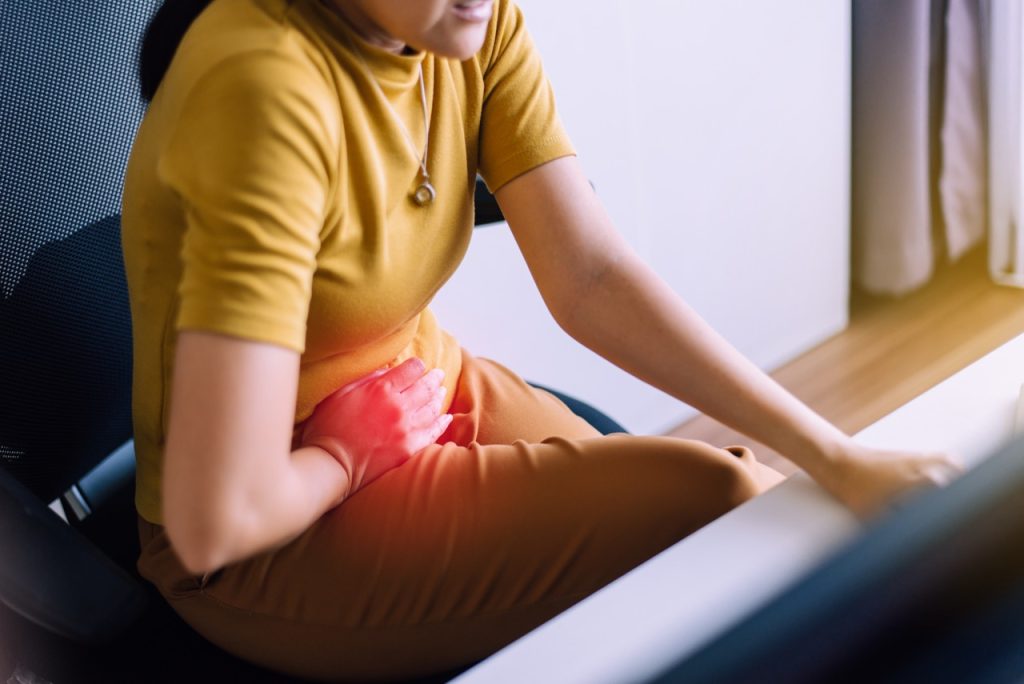
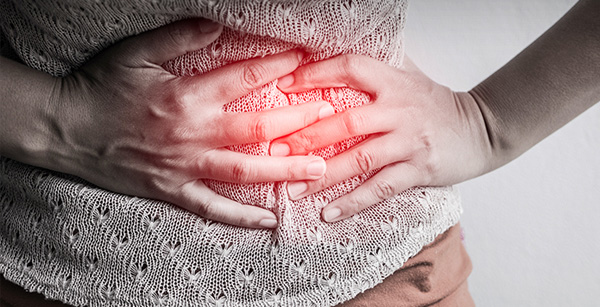
Pelvic pain can be frustrating, disruptive, and sometimes difficult to describe. For some women, it feels sharp and sudden. For others, it is dull, achy, cramping, or pressure-like. It may come and go with the menstrual cycle, happen during sex, show up with urination or bowel movements, or linger for months at a time. Chronic pelvic pain is generally defined as pain in the pelvic area that lasts 6 months or longer. ACOG notes that it can affect work, exercise, relationships, and overall quality of life.
What can cause pelvic pain?
Pelvic pain does not have one single cause. ACOG explains that chronic pelvic pain can be linked to reproductive, urinary, gastrointestinal, musculoskeletal, or nerve-related issues, and more than one condition may be contributing at the same time. Common gynecologic causes include endometriosis, adenomyosis, ovarian cysts, fibroids, pelvic inflammatory disease, and pain related to the menstrual cycle. Non-gynecologic causes can include irritable bowel syndrome, bladder pain syndrome, pelvic floor dysfunction, or overlapping chronic pain conditions.
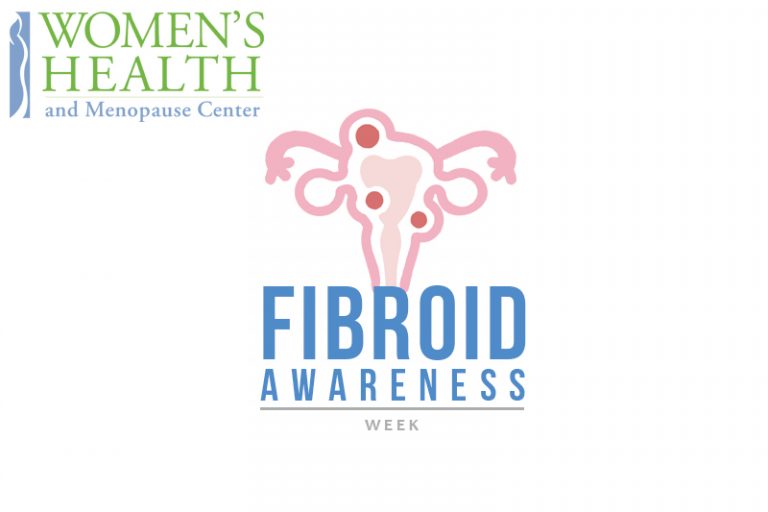
Endometriosis is one important example. The Office on Women’s Health notes that it can cause severe menstrual cramps, chronic pelvic pain, pain with sex, bowel discomfort, and fertility problems. Fibroids can also lead to pelvic pressure, heavy bleeding, and pain, depending on their size and location. Pelvic inflammatory disease is another possible cause. Untreated PID can lead to long-term pelvic pain as well as fertility concerns.
Acute pelvic pain vs. ongoing pelvic pain
The timing of symptoms matters. Acute pelvic pain comes on suddenly and can sometimes signal an urgent problem. Chronic pelvic pain tends to last longer and may be cyclical or constant. Even when pain is not an emergency, it still deserves attention if it keeps returning, interferes with daily life, or is getting worse over time. Doctors use a careful history and physical exam as the starting point for evaluation, and guide additional testing based on your symptoms and the suspected cause.
Symptoms that can help point to a cause
The pattern of pelvic pain often gives useful clues. When pain worsens during periods, it may suggest endometriosis or adenomyosis. If you experience pain with fever, unusual discharge, or discomfort during sex, it may raise concern for an infection. Similarly, pain that happens with urination or bladder filling frequently points to bladder pain syndrome. Bloating, constipation, diarrhea, or discomfort linked to bowel movements may indicate a digestive cause, while a feeling of pressure or heaviness often connects to fibroids or pelvic support problems.
When should pelvic pain be evaluated?
You should not ignore pelvic pain that is severe, persistent, or interfering with your normal routine. It is especially important to schedule an evaluation if pelvic pain is paired with abnormal bleeding, fever, nausea, vomiting, dizziness, pain during sex, painful urination, pain with bowel movements, or trouble getting pregnant. ACOG also emphasizes that chronic pelvic pain often needs a broader evaluation because multiple conditions may coexist.
How an OB/GYN may evaluate pelvic pain
Your doctor will likely begin the evaluation by asking when the pain started, how long it lasts, where it is located, and what makes it better or worse. They will also check whether it is tied to your period, sex, urination, or bowel movements, and they may recommend a pelvic exam. Depending on the situation, testing may include lab work, STI testing, urine testing, pelvic ultrasound, or referral for additional imaging or specialty care. Healthcare providers commonly use pelvic ultrasonography because it can identify many gynecologic causes of pain.
Why early evaluation matters
Pelvic pain is not something you should feel forced to manage alone. Getting answers early may help identify a treatable condition, reduce ongoing discomfort, and prevent symptoms from becoming more disruptive. It can also help protect fertility and overall quality of life when issues such as endometriosis or infection are involved.