Vaginal Dryness and Non-Hormonal Treatment Options
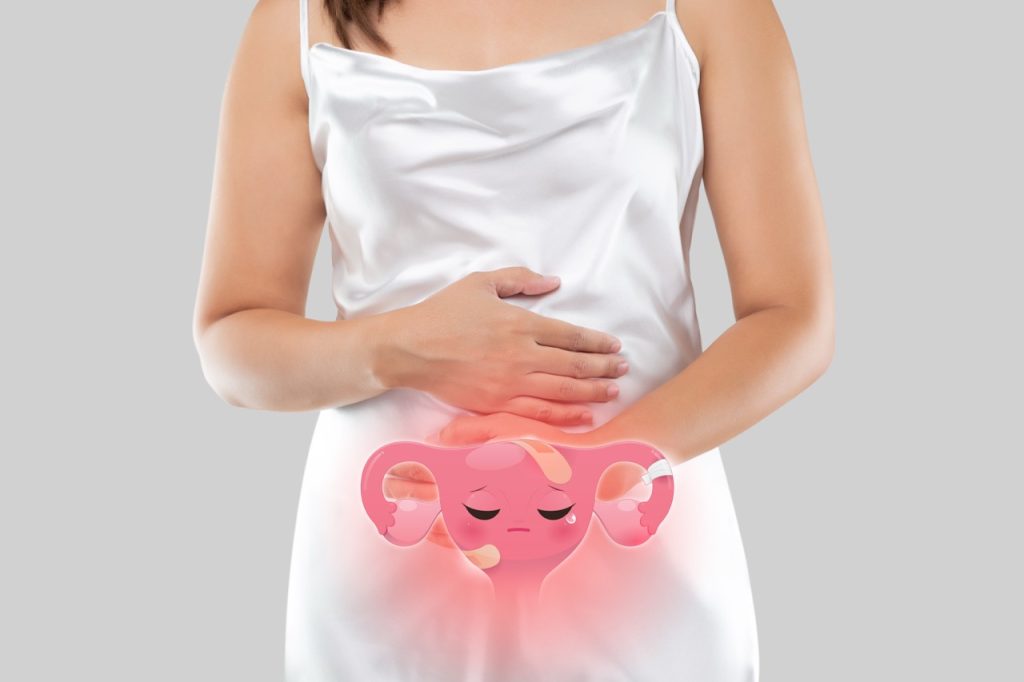
Understanding Vaginal Dryness
Vaginal dryness frequently occurs during perimenopause and menopause due to declining estrogen levels. It may also develop postpartum or while breastfeeding.
Symptoms include irritation, discomfort during intimacy, and increased urinary sensitivity.
Women experiencing multiple menopausal symptoms may benefit from exploring our comprehensive Menopause Care Services (/menopause-care).
Why Consider Non-Hormonal Options?
Some women prefer non-hormonal treatment due to personal preference or medical history. Others begin with conservative measures before considering hormone therapy.
Non-Hormonal Treatment Solutions
Vaginal Moisturizers
Regular application improves hydration and elasticity.
Lubricants
Water-based or silicone-based lubricants reduce friction and discomfort during intimacy.
Hyaluronic Acid Therapy
Hyaluronic acid supports tissue hydration and improves vaginal comfort.
Pelvic Floor Physical Therapy
Pelvic floor therapy strengthens muscles and improves circulation, which may reduce discomfort. Learn more about our Pelvic Floor Therapy Services (/pelvic-floor-therapy).
Energy-Based Therapies
Certain non-hormonal in-office treatments stimulate collagen production and restore tissue health.
When to See a Menopause Specialist
Persistent dryness may signal broader hormonal changes. A consultation with a menopause specialist ensures a comprehensive evaluation and personalized plan.
If you are also experiencing hot flashes, sleep disruption, or mood changes, explore our full Menopause Management Program (/menopause-care).
Restore Comfort and Confidence
Vaginal dryness is common, but effective treatment options are available. With individualized care and modern therapies, you can regain comfort and protect long-term vaginal health.
Schedule your consultation with Women’s Health and Menopause Center today.