
Happy Patriot Day from Women’s Health and Menopause Center

On Patriot Day, let’s reaffirm our commitment to unity, liberty, and justice for all. 🇺🇸
On Patriot Day, let’s reaffirm our commitment to unity, liberty, and justice for all. 🇺🇸
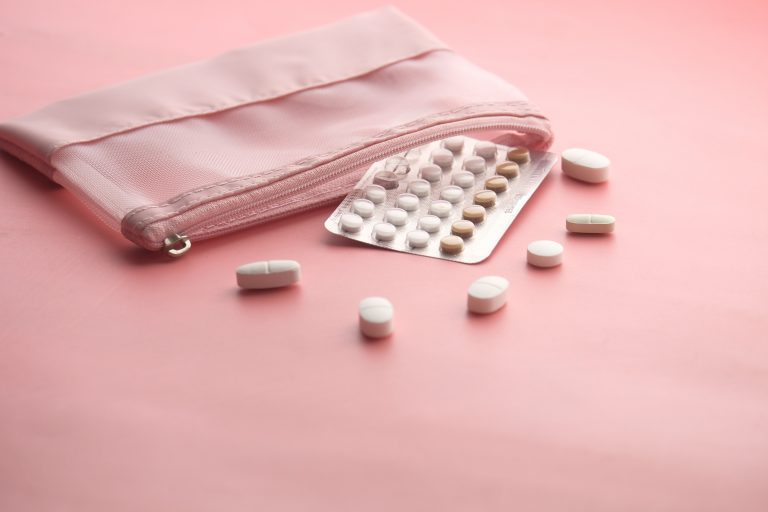
The effects of hormonal contraceptives on women’s health are vast and wide-ranging. These drugs are taken by millions of women around the world every day, yet their long-term effects on women’s health are not fully understood. This article will explore the effects of hormonal contraceptives on women’s health in more depth, as well as the…

Tummy time is one of the simplest yet most important activities for your baby’s early development. Encouraging your baby to spend time on their stomach while awake helps strengthen muscles, develop motor skills, and prevent flat head syndrome. Why is Tummy Time Important? Strengthens Neck & Shoulder Muscles: Prepares your baby for milestones like crawling…
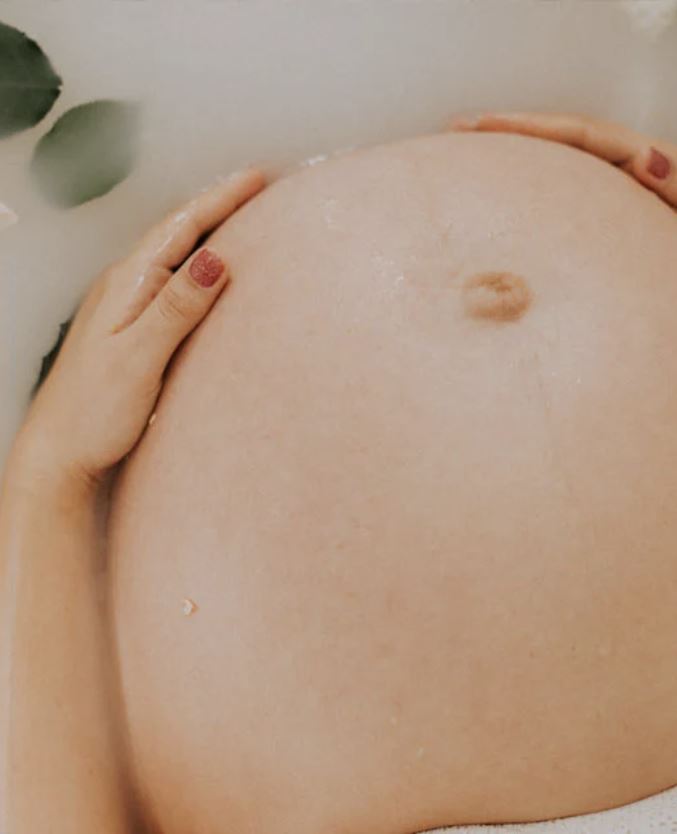
Women’s Health knows how important it is to choose a maternity care team that’s right for you. Our experienced obstetricians and support staff closely monitor and follow you throughout your pregnancy and birth. Our team offers a safe and caring environment so that you can feel secure in knowing you are receiving the best care…
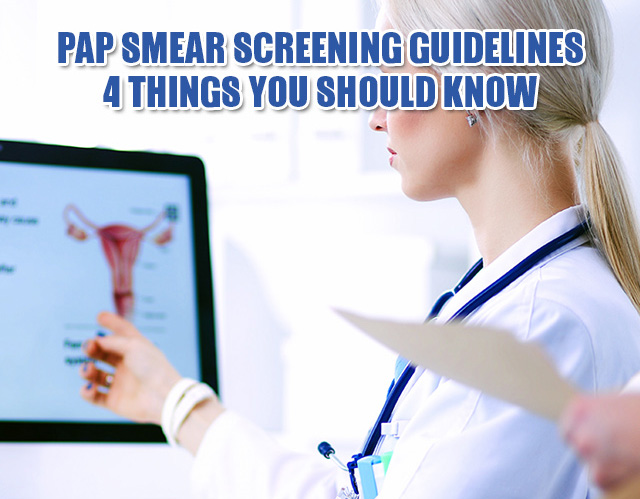
Regular pap smears are essential to monitoring for cervical cancer. According to the American Cancer Society, there will be over 13,200 new cases of invasive cervical cancer and over 4,100 women will die from the disease in 2018. What should you know about this vital screening test? You Should Get Your First Pap Smear at…

Around 15% to 20% of pregnancies end in miscarriage. That includes known pregnancies. The number is likely higher due to early miscarriages that happen before a woman even knows she’s pregnant. Most occur between week 7 and week 12 after the last menstrual cycle. Signs of Miscarriage Vaginal bleeding is the most common sign of…
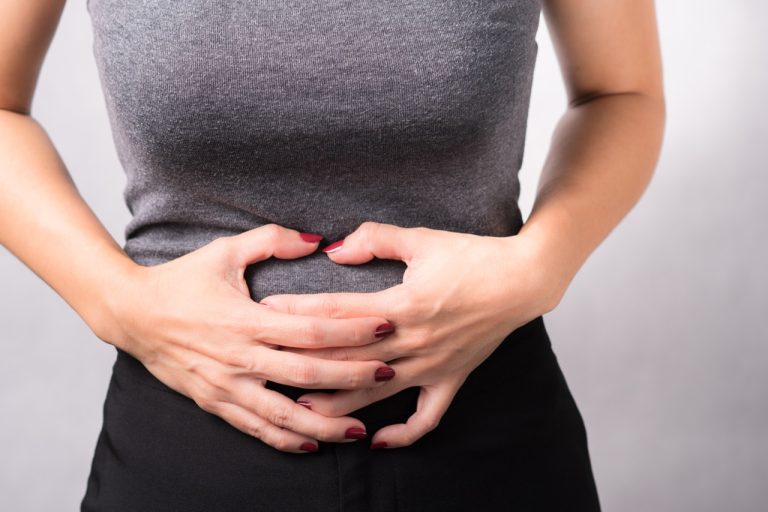
What Are Implantation Cramps Implantation cramps may occur when a fertilized egg attaches to the lining of the uterus. This process typically happens several days after ovulation and can cause mild sensations in the lower abdomen. Not everyone experiences implantation cramps, and symptoms can vary from person to person. What Implantation Cramps Feel Like Implantation…
 Call Us (248) 932-9223