
Happy Valentine’s Day

Happy Hanukkah from Women’s Health and Menopause Center. #WomensHealthandMenopauseCenter #FestivalofLights #HappyHanukkah #Hanukkah2017
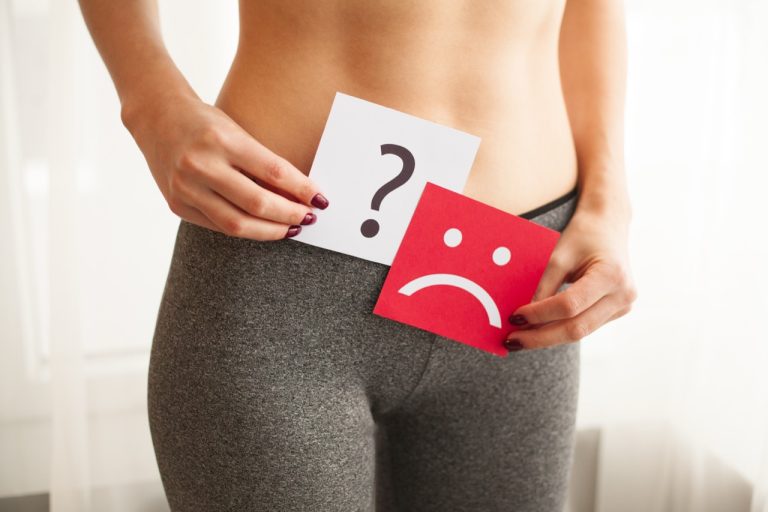
Vaginal dryness after menopause is common, but that does not make it minor. For many women, it affects comfort, intimacy, exercise, urinary comfort, and overall quality of life. Some women notice dryness only during sex; others feel burning, irritation, or tightness throughout the day. Even though these symptoms are common, women often delay bringing them…
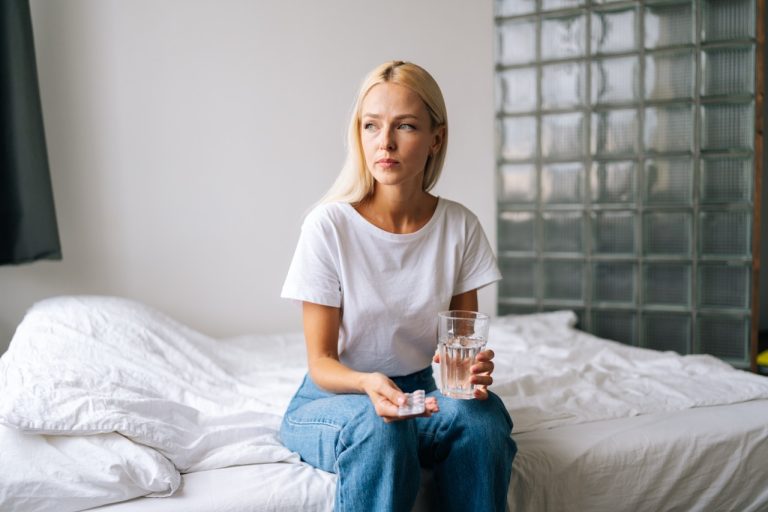
Plan B One-Step and similar generic products contain levonorgestrel, a form of emergency contraception. These pills can reduce the chance of pregnancy after unprotected sex or birth control failure. Confusion about how Plan B works can prevent people from using it when it may be helpful. What Does Plan B Do? Plan B primarily works…
Here’s to love, laughter, and lots of luck! 🍀💚

Experts recommend breast milk as the best nutritional choice for babies. The American Academy of Pediatrics (AAP)recommends exclusive breastfeeding for the first six months after birth. Breast milk provides the nutrients a baby needs to grow and thrive. It also helps fight infections, eases digestion, enhances emotional bonding, improves intellectual development, reduces risks of certain…

It may not sound romantic but it is important to celebrate Valentine’s Day safely, with no unwanted STDs or unplanned pregnancies. If you or your partner have multiple partners and they are male, always make sure they use a condom, and if monogamous still use birth control. There are so many convenient options to suit…
 Call Us (248) 932-9223