
Should I Be Concerned about My Fibroid Tumor?
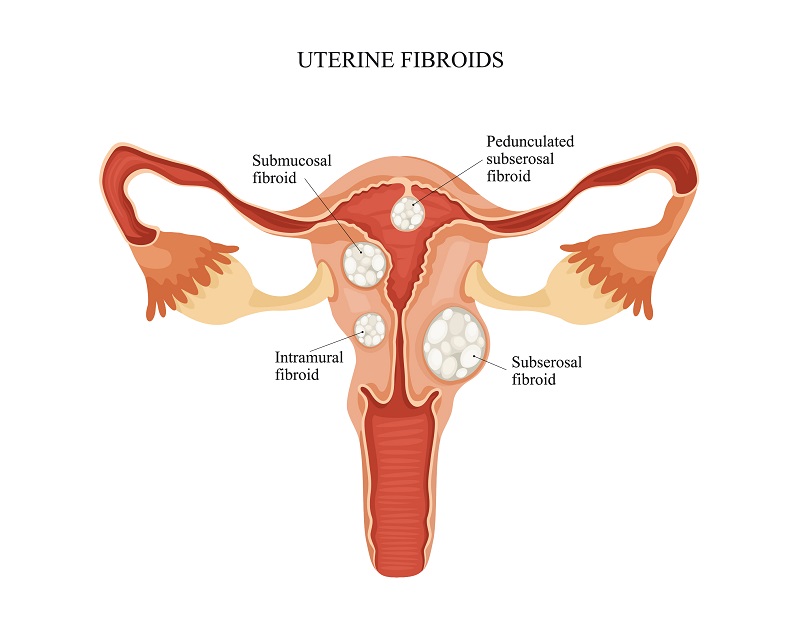
No patient wants to hear their doctor tell them that they have a tumor. Fibroid tumors are a little different. According to Steve Goldstein, MD, an NYU Medical Center professor, “there is virtually no threat of malignancy.” While they may not be life-threatening, every woman should understand what they are and how to treat them.
What Are Fibroid Tumors?
Fibroid tumors, also called fibroids, are made of fibrous connective tissue and smooth muscle cells. The direct cause of this condition is not yet known. Medical professionals believe that the tumors develop due to aberrant muscle cells within the uterus. The cell multiplies quickly due to the effects of estrogen.
Fibroid Tumor Risk
An estimated 20% to 50% of women who are of child-bearing age have fibroids. Those who are nearing menopause are at the highest risk due to longer exposure to estrogen. African Americans and those who are obese have an increased risk. Small studies have also indicated a connection between women who have had two liveborn children and the appearance of fibroids compared to those who have not had children.
Fibroid Tumor Treatment
There are a number of ways that fibroid tumors can be treated. The best option for you will depend on your situation and medical status. Your gynecologist may recommend treatments such as:
- Hysterectomy
- Anti-hormonal agents
- Conservative surgical therapy
- Uterine artery embolization
- Anti-inflammatory pain medications
- Gonadotropin-releasing hormone agonists (medical menopause)
If you notice heavy and/or prolonged menstrual bleeding, frequent urination, painful intercourse, lower back pain, abnormal bleeding, or a firm mass near the pelvis, you may have a fibroid tumor. Make an appointment with your Women’s Health and Menopause Center gynecologist for diagnosis and to learn more about treatment.