
Happy Valentine’s Day
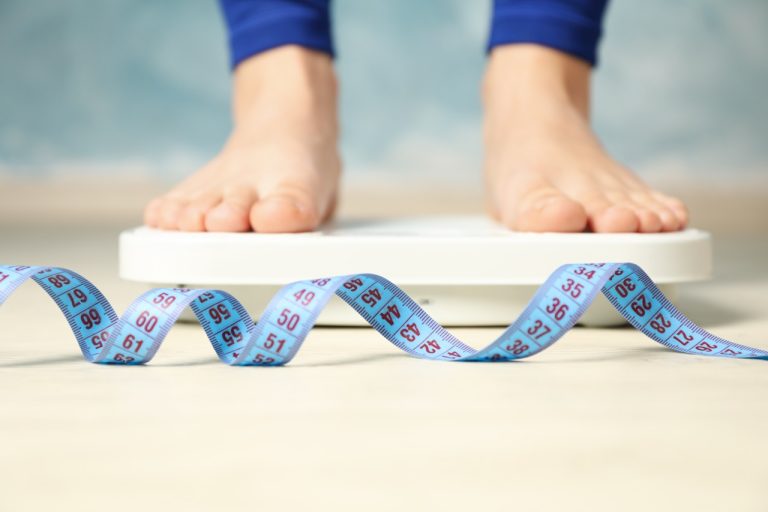
GLP-1 Medications and Menopause: How They May Support Healthy Weight Loss Weight changes during menopause can feel frustrating, especially when eating habits and activity levels have not changed much. Many women notice more abdominal weight gain, increased cravings, slower progress with diet and exercise, and changes in energy. These shifts are common, and they are…
Sex should be a positive, enjoyable experience. While it’s a normal part of nature, it can come with risks. There are simple things you can do to minimize the dangers and keep yourself safe from STDs, emotional distress, unwanted pregnancy, and other intercourse-related concerns. Have Protection Ready Have protection ready, even if you don’t think…
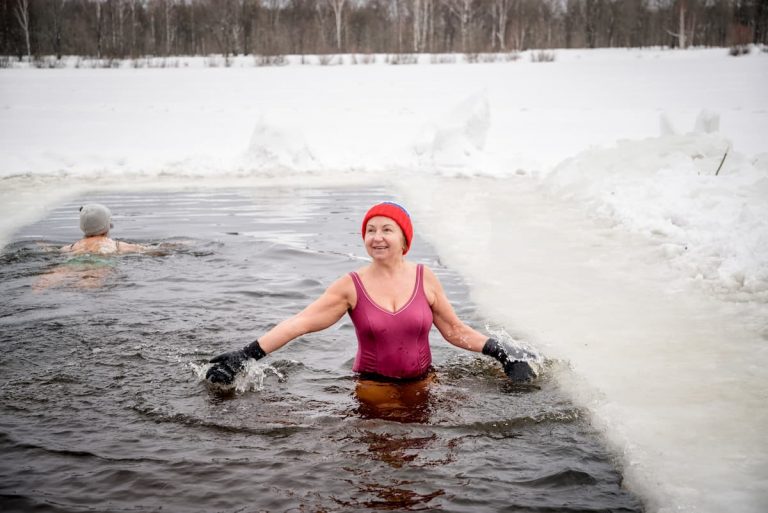
Swimming in cold water during menopause can improve overall health in many ways. Cold water reduces inflammation and boosts immunity. It can also improve circulation and help to flush toxins from the body. This can help to reduce the risk of developing chronic disease. Cold water swimming can help to increase muscular strength by activating…
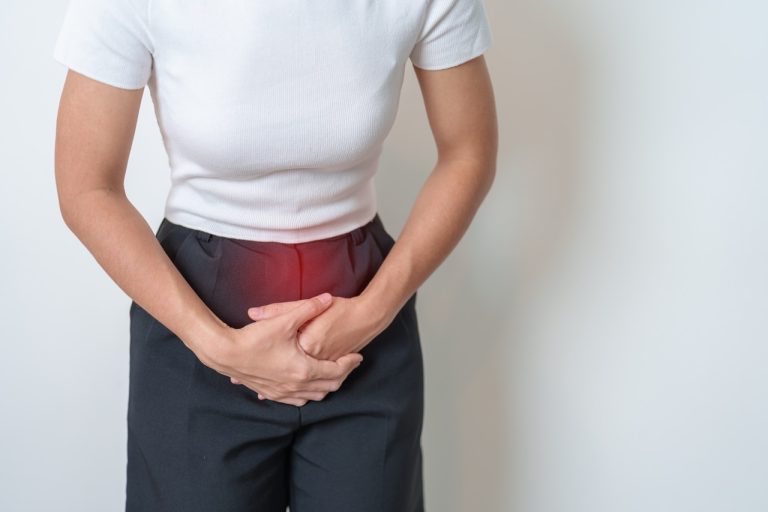
Pelvic pain can be sharp, aching, cramping, burning, or pressure-like. It may occur suddenly, develop gradually, or come and go with the menstrual cycle. Because many organs and muscles are located in the pelvis, identifying the source may require a careful evaluation. Common Gynecologic Causes Pelvic pain may be related to: Pain during intercourse, bowel…
On average, a woman’s period lasts four or five days and causes only minor discomfort and inconvenience. However, some women have periods lasting much longer – up to 14 days – that may be irregular, no longer following a 21- to 35-day cycle. What’s more, menstrual flow can be so heavy that a pad or…
 Call Us (248) 932-9223