
Celebrating the American Worker
Reap the fruit of your labor and enjoy a well-deserved day off! Happy Labor Day weekend from Women’s Health.
Reap the fruit of your labor and enjoy a well-deserved day off! Happy Labor Day weekend from Women’s Health.

Menopause isn’t typically life-threatening, but it can bring symptoms like a rapid heartbeat in extreme cases. The occasional feeling that your heart skips a beat does not necessarily indicate a serious medical problem. For those with menopause, your doctor should monitor rapid heartbeat to check for a mitral valve prolapse, a mild heart valve deformity….
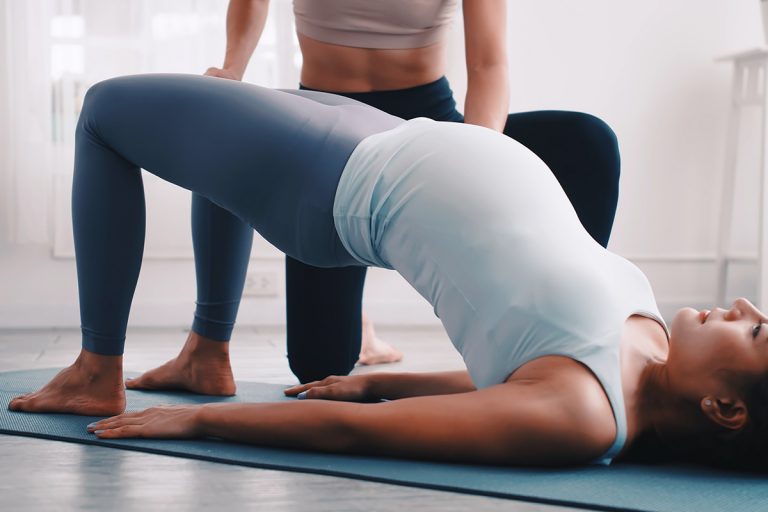
Pregnancy is a time of change, and staying active can help expecting mothers feel strong, energized, and better prepared for childbirth. While rest is essential, regular movement has incredible benefits for both mom and baby. Why Exercise During Pregnancy is Important Boosts Mood & Energy: Exercise releases endorphins, helping to combat pregnancy fatigue and mood…
Reaching menopause is a milestone in every woman’s life. And for some, it can seem very scary. For most, it is the most significant change your body has undergone since you hit puberty or delivered a baby. The good news is that modern women have access to a lot more information and resources. There’s no…
Here’s to love, laughter, and lots of luck! 🍀💚

Labor Day is a reminder of the value of rest after hard work.
 Call Us (248) 932-9223