Similar Posts
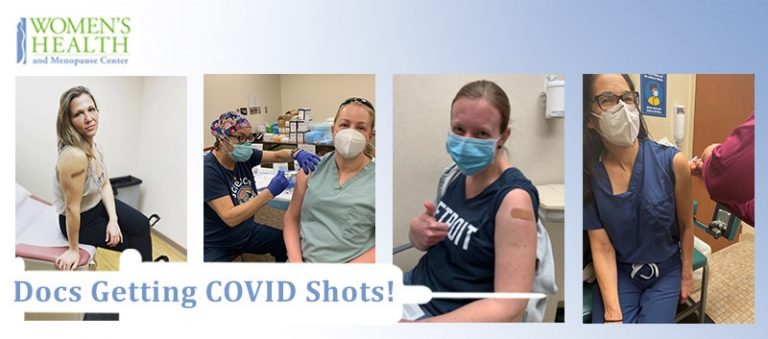
All of Our Doctors Have Received the COVID-19 Vaccination
We are so honored and grateful to have received the COVID-19 vaccination and know many of you are anxiously and patiently waiting your turn. We also know some of our patients are on the fence about getting the vaccine, especially those who are pregnant and breastfeeding. Each woman is unique and we are here to…
Walk-in Office Hours
Dr. Henzie is accepting walk-in office hours for Women’s Health and Menopause Center patients on Fridays between 1:00 pm to 3:30 pm.
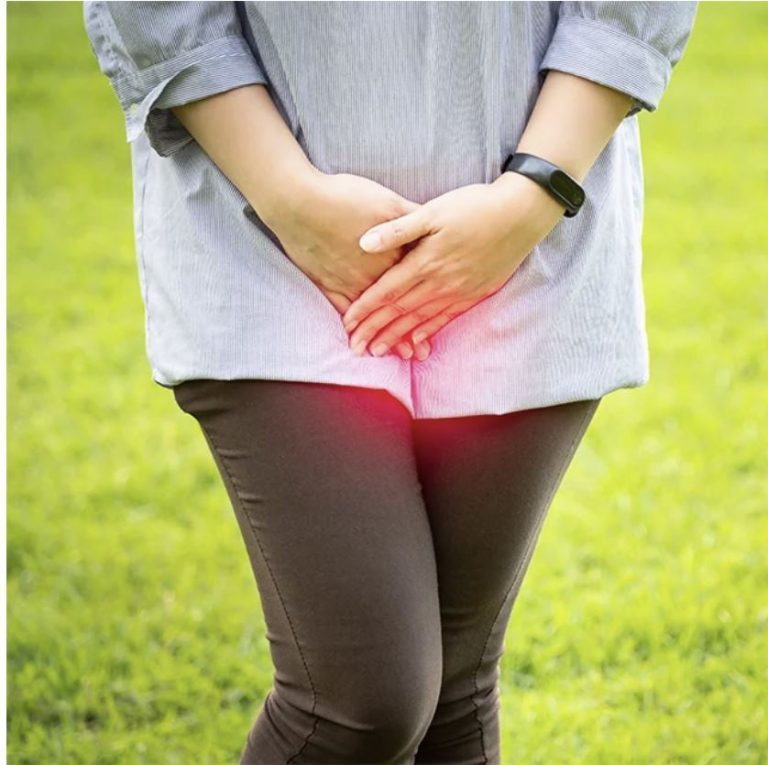
Urinary Tract Infections, Symptoms and Causes
A urinary tract infection, also known as UTI, is caused by bacteria in the vagina that enters the urethra which causes discomfort, and leads to an infection in the urinary system, which includes the kidneys, bladder, ureters, and urethra. Symptoms include cloudy or dark urine with an odor, often accompanied with the urge to frequently…
Common Pregnancy Issues
When people think of pregnancy, morning sickness is typically the first thing that comes to mind. This is the main pregnancy symptom that is shown on TV and in movies, and for many people it is an issue they experience often during the first trimester. It is perfectly normal to experience morning sickness, but it’s…
Menopuase and Healthy Eating
During the menopause years, some women experience adding a few more pounds than they had before menopause. Shira Gordiner, D.O., says, “this may have more to do with the decreased amount of activity than changing hormones. However, it’s always a good idea to discuss with your doctor to make sure hormones are properly balanced.” There…